






What's Happening?
A group of 16 Democratic senators has called on the Office of Personnel Management (OPM) to retract its proposal to collect detailed health data from federal employees and retirees. The senators, led by Adam Schiff and Mark Warner, expressed concerns
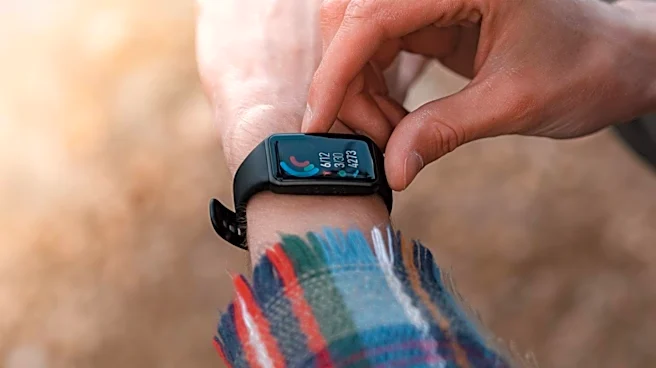
that the plan violates the Health Insurance Portability and Accountability Act (HIPAA) and undermines doctor-patient confidentiality. The proposal, published in the Federal Register, would require insurers in federal health programs to submit monthly reports containing identifiable health data, including medical visits and prescriptions. Critics argue that the plan lacks sufficient safeguards and could be used to target employees, especially in light of past data breaches at OPM.
Why It's Important?
The proposal has significant implications for privacy and data security, particularly given OPM's history of data breaches, including a major incident in 2015 that compromised the personal records of 22 million people. The collection of such sensitive data without adequate protections raises concerns about potential misuse, especially in employment-related decisions. The move could also exacerbate fears among federal employees about their privacy and job security, potentially affecting morale and trust in government agencies. The opposition from lawmakers highlights the ongoing debate over data privacy and the balance between oversight and individual rights.
What's Next?
The senators have urged OPM to cease further consideration of the proposal, emphasizing the need to protect federal employees' health data. The outcome of this request remains uncertain, but it could lead to increased scrutiny of OPM's data handling practices and potentially influence future policy decisions regarding data privacy and security. The situation may also prompt broader discussions about the role of government in managing personal health information and the need for robust safeguards to protect against data breaches and misuse.