








What's Happening?
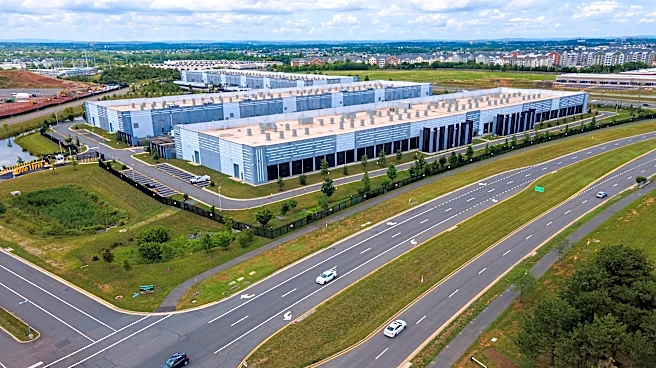
Texas Governor Greg Abbott has ordered a comprehensive audit of data center projects seeking interconnection with the state's power grid, ERCOT, and has paused all new approvals until the review is complete. This action comes in response to growing pressures
on the grid, exacerbated by historic heatwaves and the increasing energy demands of data centers. Texas has experienced significant population growth and a surge in data center development, with possible projects totaling 474 gigawatts in the pipeline—more than five times ERCOT's July peak demand. In June, Governor Abbott directed the Public Utility Commission (PUC) and ERCOT to prevent data centers from shifting infrastructure costs to residential ratepayers and promised legislation addressing their added generation, water-efficient cooling, usage reporting, community impacts, and tax incentives. Senate Bill 6, effective June 20, 2025, already standardizes ERCOT interconnection for large users, mandates cost sharing, and allows curtailment during grid emergencies.
Why It's Important?
This move by Governor Abbott is critically important for Texas and serves as a potential precedent for other states grappling with similar energy challenges. It signifies a shift in the state's business strategy, acknowledging that unlimited growth in energy-intensive industries like data centers can strain essential infrastructure and impact residential ratepayers. The pause on approvals aims to ensure that the Texas grid can reliably support new large users without compromising stability or affordability for existing consumers. The state's unique independent grid, operated by ERCOT, has faced reliability issues in the past, notably during Winter Storm Uri in 2021. The current measures are designed to prevent future crises by proactively managing demand and ensuring that infrastructure keeps pace with growth. This situation highlights the complex balance between attracting business investment and maintaining critical public services like a stable power supply, especially in the face of climate change-induced extreme weather.
What's Next?
The comprehensive audit of data center projects and the pause on interconnection approvals will likely lead to a more stringent and selective process for future data center development in Texas. The promised legislation from Governor Abbott will further define the regulatory framework for data centers, potentially imposing new requirements related to energy generation, water usage, and community impact. This could include mandates for more efficient cooling systems and transparent reporting of energy consumption. ERCOT will continue to refine its interconnection standards, possibly through initiatives like 'Batch Zero,' to ensure that new large users are integrated in a manner that maintains grid reliability. Major stakeholders, including tech companies, utility providers, and local communities, will need to adapt to these evolving regulations. The outcome in Texas could influence how other states approach the energy demands of the AI and data center boom, potentially leading to similar audits and policy changes nationwide.
Beyond the Headlines
Governor Abbott's decision reflects a deeper recognition that while a business-friendly environment is crucial, it must be sustainable and account for the foundational resources of power and water. This situation underscores the evolving definition of 'governance' for corporations, where the physical infrastructure and environmental context of operations are becoming as critical as legal and financial frameworks. The challenge for Texas, and by extension the U.S., is to build infrastructure quickly and fairly, with foresight to sustain business growth in a future characterized by hotter climates and increased energy demands. This involves not just technical solutions but also policy innovations that balance economic incentives with public welfare and environmental stewardship. The Texas experience could catalyze a broader reevaluation of how states manage the intersection of rapid technological advancement, climate change impacts, and essential public services, pushing for more integrated and sustainable development strategies.