




What's Happening?
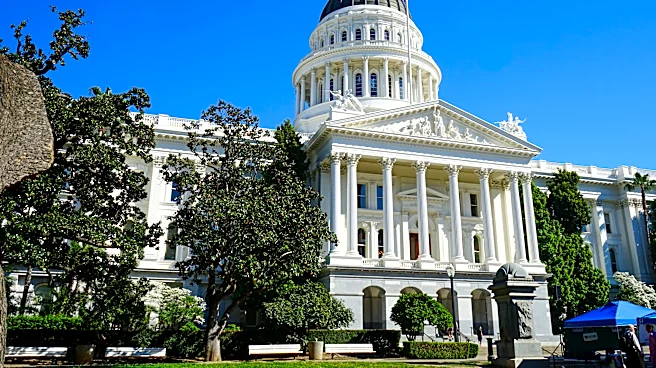
The California Legislature has approved Senate Bill 58, authored by Senator Steve Padilla (D-San Diego), which mandates the California Air Resources Board (CARB) to update the state's air quality standard for hydrogen sulfide (H2S). This gas is present
in high concentrations in the Tijuana River Valley and Salton Sea regions. California's current H2S standard, established in 1969, was primarily designed to control odor nuisance and has not been comprehensively reviewed in over four decades, despite advancements in understanding chronic and low-level health risks. H2S, a colorless gas with a rotten egg smell, is found in natural gas and oil extraction, geothermal fields, and from the bacterial decomposition of human and animal waste. Exposure can cause headaches, nausea, and respiratory irritation, with chronic exposure potentially leading to persistent respiratory and neurological impacts, particularly among vulnerable populations. SB 58 aims to create a comprehensive framework for evaluating H2S exposure and coordinating agency responses.
Why It's Important?
This legislative action is crucial for addressing a long-standing public health crisis disproportionately affecting vulnerable and environmentally overburdened communities in California, including low-income households, immigrant communities, Latino, and Tribal populations. The outdated H2S standard has failed to protect residents from the health impacts of chronic exposure, exacerbating existing health inequities. By directing CARB to update the standard and develop a response framework, SB 58 seeks to provide a more accurate understanding of acute and chronic impacts, identify gaps in current approaches, and improve coordination among agencies. This will strengthen the understanding of community-level health risks and lead to more effective strategies for protecting public health in areas like the Tijuana River Valley and Salton Sea, where H2S concentrations are exceptionally high. The bill's unanimous passage in the Senate and bipartisan support in the Assembly underscore the widespread recognition of this environmental justice issue.
What's Next?
Senate Bill 58 now proceeds to Governor Newsom's desk for his signature. If signed into law, the California Air Resources Board (CARB) will be directed to update the state's air quality standard for hydrogen sulfide (H2S). This process will involve consultation with various stakeholders, including local air districts, the Office of Environmental Health Hazard Assessment (OEHHA), the Office of Emergency Services, the State Department of Public Health, regional water quality control boards, local environmental and public health agencies, universities, academic institutions, affected tribal governments, and community-based organizations. CARB will also be tasked with developing a response framework that establishes best practices and guidance for addressing both fugitive and natural sources of H2S gas, as well as for community preparation and response to exposure events. This comprehensive approach aims to improve public health protections and inter-agency coordination in affected regions.
Beyond the Headlines
The advancement of SB 58 highlights a critical intersection of environmental policy, public health, and social justice. The long-standing neglect of the hydrogen sulfide standard, which prioritized odor control over health protection, reflects a systemic oversight that has disproportionately impacted marginalized communities. This legislative effort signals a shift towards recognizing and rectifying environmental injustices, particularly in border regions where pollution often transcends national boundaries and affects vulnerable populations. The collaborative approach mandated by SB 58, involving multiple agencies and community groups, could serve as a model for addressing complex environmental challenges. Beyond the immediate health benefits, this initiative could foster greater environmental equity and empower communities to advocate for stronger protections against industrial and natural pollutants, setting a precedent for future environmental justice legislation in California and potentially beyond.