


What's Happening?
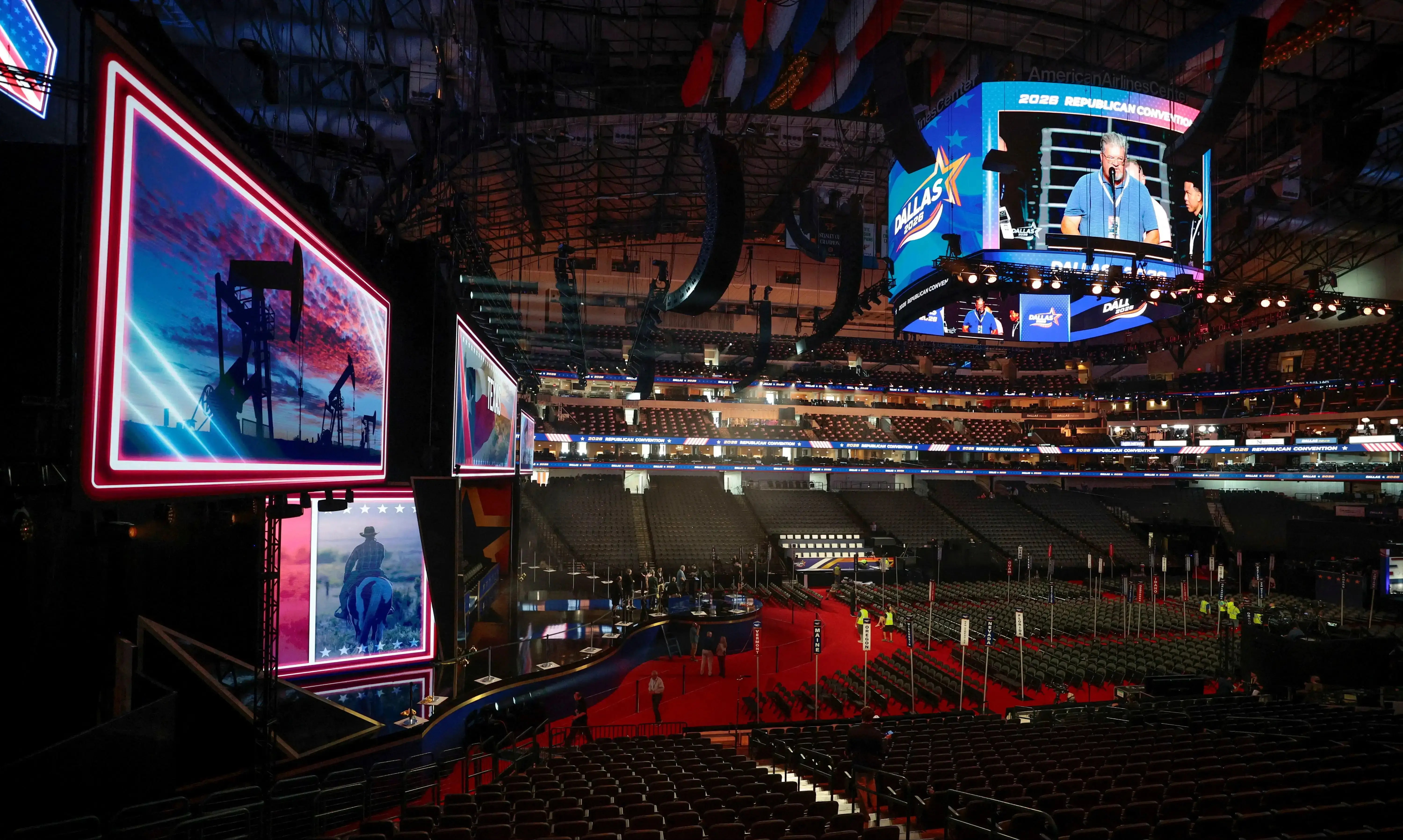
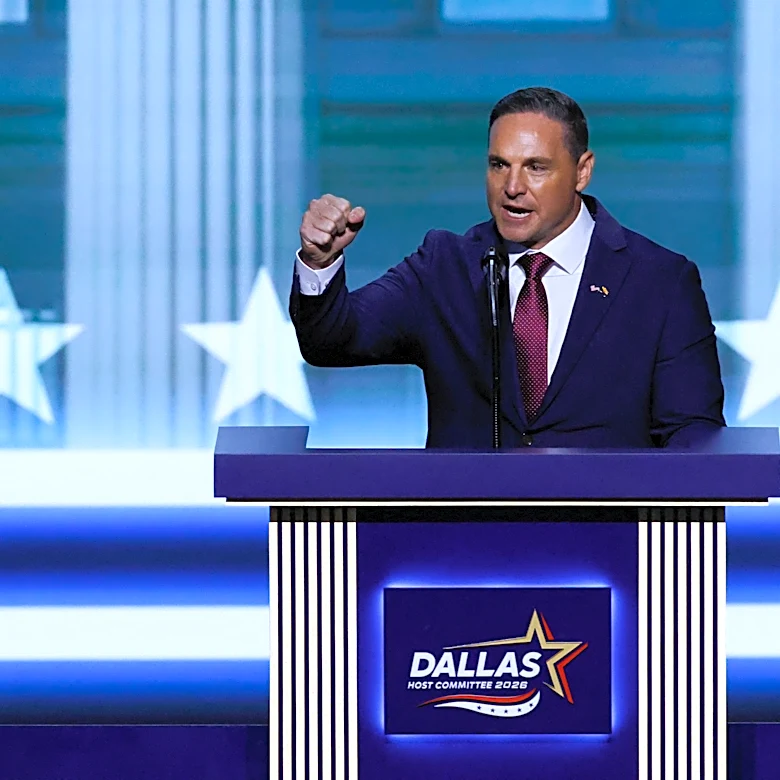
The 2026 Republican midterm convention will be held in Dallas, Texas, from September 9-10, marking the first time in over 40 years that Dallas will host such an event. Despite Fort Worth historically being a GOP-friendly city, Dallas was selected for
its larger media market and iconic national recognition. Political consultant Brian Mayes noted that the Republican National Committee (RNC) prioritizes media access and coverage, with the majority of Dallas-Fort Worth media outlets based in Dallas. Southern Methodist University political science professor Cal Jillson added that Dallas holds a more prominent place in the American public mind, both nationally and internationally. The convention will take place at the American Airlines Center, which can accommodate approximately 20,000 people, compared to Fort Worth's Dickies Arena, which holds up to 14,000. Organizers anticipate 20,000 attendees, including President Trump, Vice President JD Vance, and House Speaker Mike Johnson.
Why It's Important?
The decision to host the Republican midterm convention in Dallas, a Democratic-majority city, rather than traditionally Republican Fort Worth, signifies a strategic shift for the GOP. This move aims to maximize media exposure and potentially engage a broader, more diverse electorate, especially as Texas sees increasingly competitive statewide races. The convention's timing during a midterm election year, a first for the RNC, suggests an effort to boost voter turnout and energize the base amidst concerns about President Trump's popularity and a perceived shift in voter sentiment in some Texas counties. The event's focus on media visibility and fundraising, with the Dallas Host Committee raising $45 million in private donations, highlights the financial and public relations importance of the location. This choice also reflects the evolving political landscape of North Texas, where traditionally red areas are showing signs of turning purple, prompting the GOP to adapt its outreach strategies.
What's Next?
The 2026 Republican midterm convention is scheduled for September 9-10 at the American Airlines Center in Dallas. The event is expected to draw significant attention, with key Republican figures like President Trump, Vice President JD Vance, and House Speaker Mike Johnson in attendance. The convention will serve as a platform for the GOP to rally support, articulate its agenda, and potentially influence voter sentiment ahead of the midterm elections. The focus on media coverage suggests a concerted effort to shape public perception and mobilize voters. The success of the convention in generating enthusiasm and positive media attention will be closely watched, particularly given the competitive political environment in Texas. The event's impact on local politics and the broader national political discourse will become clearer as the midterm elections approach, potentially influencing campaign strategies and voter engagement in key races across the state and country.
Beyond the Headlines
The selection of Dallas for the Republican midterm convention reveals deeper trends in American politics, particularly the increasing importance of media markets and national branding in political strategy. The RNC's choice to prioritize a city with a larger media footprint over a more ideologically aligned one underscores a pragmatic approach to political outreach. This decision also highlights the ongoing demographic and political shifts occurring in traditionally conservative states like Texas, where urban centers are becoming more diverse and politically competitive. The convention's emphasis on attracting a national audience, rather than solely focusing on local party strongholds, reflects a broader effort by political parties to adapt to a fragmented media landscape and engage voters beyond traditional partisan lines. This event could serve as a case study for how political organizations navigate the complexities of modern campaigning, balancing ideological purity with the practical demands of media exposure and fundraising in an increasingly polarized political environment.