



What's Happening?
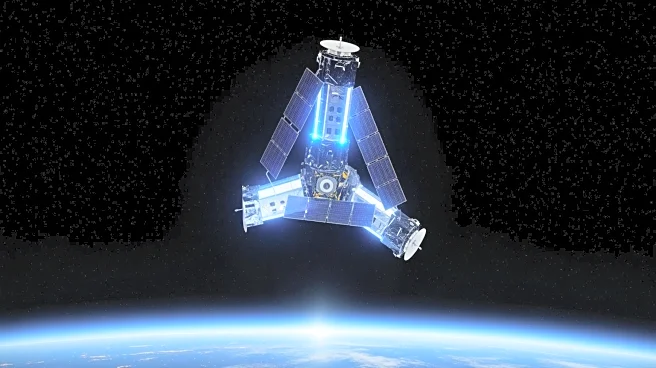
Russia has successfully launched three Iranian communications satellites into orbit, marking the second such launch since July. The satellites, named Paya, Kowsar, and Zafar-2, were deployed from the Vostochny launchpad in eastern Russia. This launch is part
of a strategic partnership between Russia and Iran, which has been solidified through a treaty signed earlier this year. The satellites are intended for applications in water resource management, agriculture, and environmental monitoring, with a lifespan of up to five years.
Why It's Important?
The launch of Iranian satellites by Russia underscores the strengthening ties between the two nations, particularly in the field of space technology. This collaboration is significant against the backdrop of geopolitical tensions involving Iran, the U.S., and Israel. The U.S. has expressed concerns over Iran's satellite launches, viewing them as potential violations of U.N. Security Council resolutions related to ballistic missile capabilities. The development highlights the complex dynamics of international relations and the strategic alliances that are shaping global politics.
Beyond the Headlines
The collaboration between Russia and Iran in space technology may have broader implications for regional power dynamics. As both countries face international sanctions and diplomatic isolation, their partnership could serve as a counterbalance to Western influence. The technological advancements achieved through these satellite launches could also enhance Iran's capabilities in various sectors, potentially altering the balance of power in the Middle East. The situation calls for careful monitoring by the international community to assess the long-term impacts on regional stability.