




What's Happening?
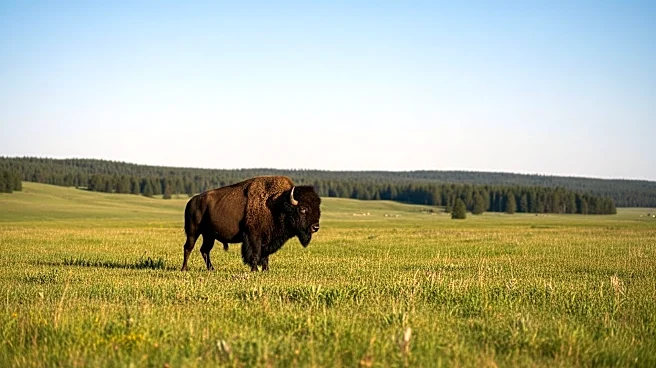
A tourist was seriously injured after being tossed 8 feet into the air by a bull bison at Yellowstone National Park. The incident occurred at the Bridge Bay campground, where the tourist was walking with his grandson. The bison, described as agitated
and aggressive, charged at the man, hooking him with its horn. The event was captured on video by a professional photographer, Mike MacLeod, who was present at the scene. The National Park Service has not released detailed information about the attack, but it is known that the bison was distracted by a pickup truck before turning its attention to the tourist and his grandson. The grandson managed to escape, but the grandfather was chased and flipped by the bison. This incident marks the second bison-related injury in the park this year.
Why It's Important?
This incident underscores the inherent dangers of wildlife encounters in national parks, particularly during the bison rutting season when males are more aggressive. It highlights the need for visitors to adhere strictly to park guidelines, which advise maintaining a safe distance from wildlife. The event also raises questions about the effectiveness of current safety measures and the need for increased awareness and education for park visitors. The economic impact on tourism could be significant if such incidents deter visitors, affecting local businesses reliant on park tourism. Additionally, it emphasizes the importance of emergency response readiness in remote park areas.
What's Next?
Following this incident, there may be increased scrutiny on park safety protocols and visitor education programs. The National Park Service might consider implementing additional measures to prevent similar occurrences, such as enhanced signage or ranger patrols during peak wildlife activity periods. There could also be discussions on improving emergency response capabilities within the park. Stakeholders, including park officials and local businesses, may engage in dialogue to balance visitor safety with the economic benefits of tourism.
Beyond the Headlines
The incident highlights broader ethical considerations regarding human interaction with wildlife. It raises questions about the responsibility of visitors to respect wildlife habitats and the role of park authorities in managing human-wildlife interactions. The event may prompt discussions on conservation efforts and the impact of human presence on wildlife behavior. Long-term, it could influence policies on wildlife management and visitor access in national parks.