

What's Happening?
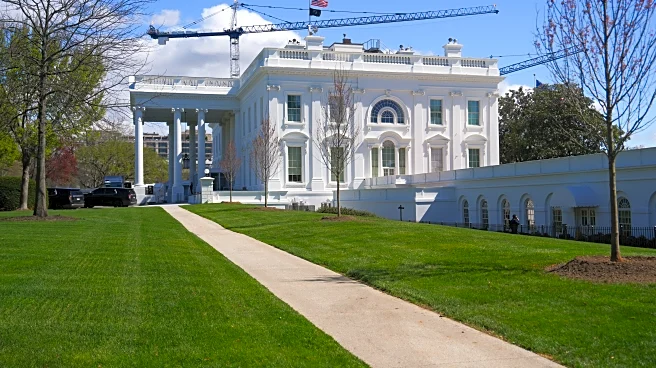
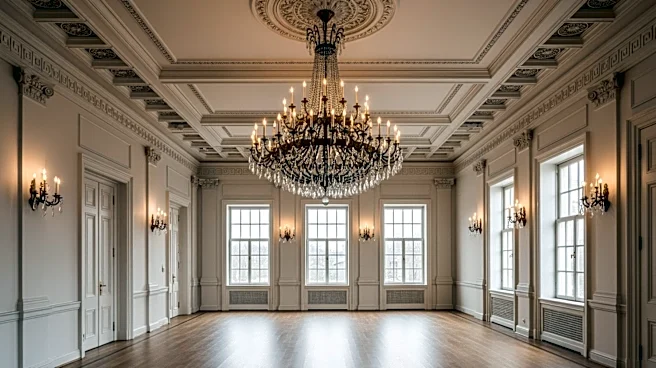
President Trump expressed his approval after the National Capital Planning Commission voted 8-1 in favor of his proposed White House ballroom project. This development comes shortly after a federal judge issued a preliminary injunction to halt construction,
siding with the National Trust for Historic Preservation. The judge ruled that the president lacks unilateral authority to make such significant changes to the White House without congressional approval. Despite the legal setback, Trump remains optimistic about the project, which he describes as a $400 million privately funded addition intended to host major state functions.
Why It's Important?
The approval of the ballroom project is significant as it represents a major architectural change to the White House, a historic and symbolic building. The project has sparked debate over presidential authority and the preservation of national landmarks. If completed, the ballroom could enhance the White House's capacity to host large events, potentially reducing the need for temporary structures. However, the legal battle underscores the tension between executive ambitions and regulatory frameworks designed to protect historic sites. The outcome of this dispute could set a precedent for future modifications to national landmarks.
What's Next?
The legal proceedings will continue as the National Trust for Historic Preservation challenges the project's legality. The court's decision will determine whether construction can resume or if the project will be permanently halted. Meanwhile, President Trump and his administration are likely to seek congressional support to legitimize the project. The outcome could influence future presidential initiatives involving historic sites and the extent of executive power in altering them.