
What's Happening?
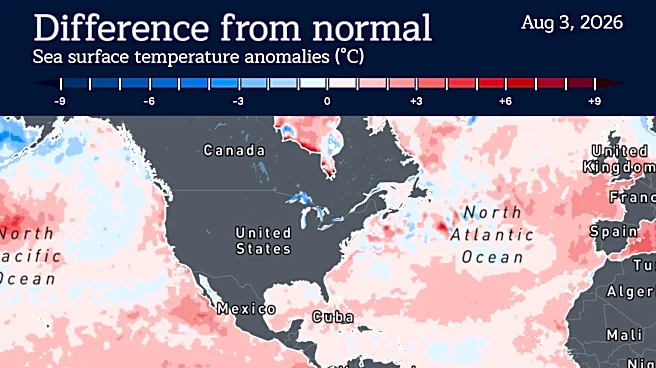
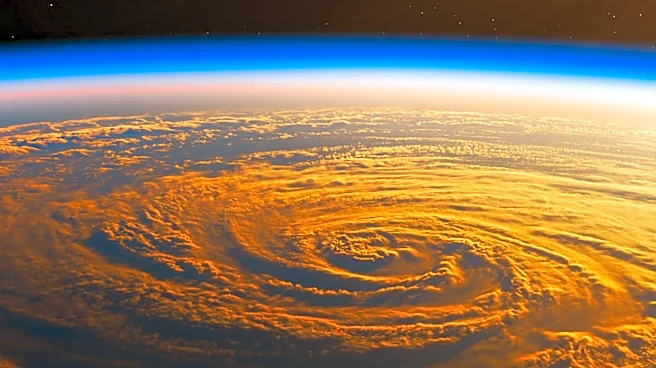
Meteorologists are predicting a potentially historic Super El Niño event, with significant impacts on North America's winter weather. Updated models from the National Oceanic and Atmospheric Administration (NOAA) indicate an 81% chance of a very strong
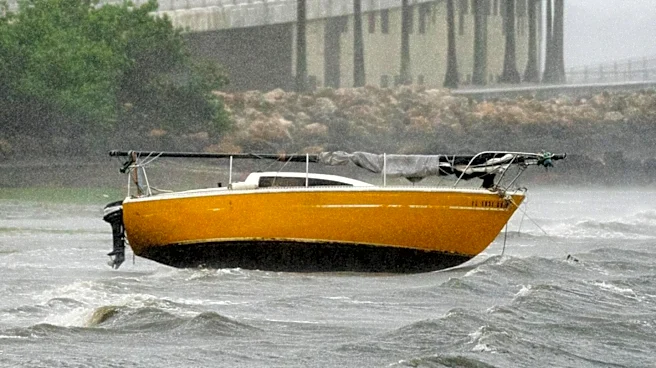
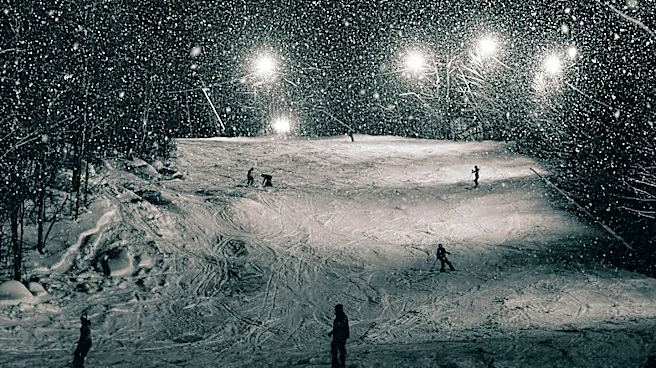
El Niño during October-December, potentially ranking among the largest in recorded history. Meteorologist Ryan Maue suggests this could be the strongest Super El Niño in 500 to 1,000 years. The event is expected to bring heavy rain and snow to various regions, with increased precipitation predicted for the West and East Coasts, as well as the Gulf.
Why It's Important?
The anticipated Super El Niño could have widespread effects on weather patterns, agriculture, and water resources across North America. Increased precipitation may alleviate drought conditions in some areas but also poses risks of flooding and severe weather events. The agricultural sector could face challenges related to crop yields and planting schedules, while infrastructure and emergency services may need to prepare for potential disruptions. The event also highlights the broader implications of climate variability and the need for adaptive strategies to manage its impacts.
What's Next?
As the El Niño event strengthens, meteorologists and climate scientists will continue to monitor its development and refine predictions. Governments and communities may need to implement preparedness measures to mitigate potential impacts, such as flood management and emergency response plans. The event could also prompt discussions on climate resilience and the importance of investing in infrastructure and policies to address climate-related challenges.