
What's Happening?
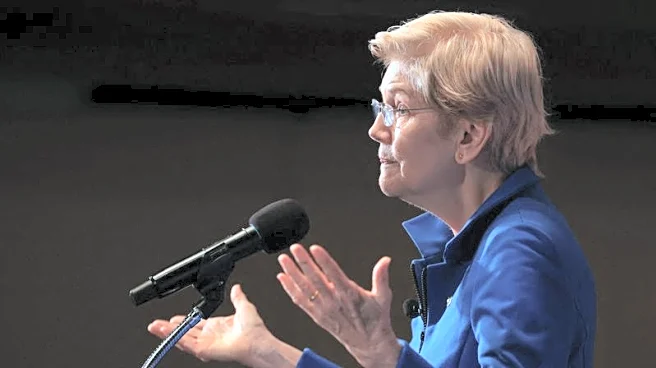
A group of senators, led by Sen. Elizabeth Warren and Sen. Angus King, has expressed concerns about the Internal Revenue Service's (IRS) readiness for the upcoming tax filing season. The IRS has lost over
25% of its workforce due to voluntary separations and retirements, which could hinder its ability to detect fraud, process tax returns, and assist taxpayers. A recent report by the Treasury Inspector General for Tax Administration highlights these challenges, noting that staffing cuts in the IRS's IT department are delaying modernization efforts. The IRS is working on updating its Integrated Data Retrieval System, crucial for managing taxpayer data, but progress is slow due to reduced staffing. The senators' letter to Treasury Secretary Scott Bessent and IRS Chief of Taxpayer Services Ken Corbin underscores the potential difficulties taxpayers may face in filing returns and receiving refunds.
Why It's Important?
The reduction in IRS staffing could have significant implications for taxpayers and the broader U.S. economy. With fewer employees, the IRS may struggle to provide timely assistance and process tax returns efficiently, potentially leading to delays in refunds. This situation could affect millions of Americans who rely on timely tax refunds for financial planning. Additionally, the IRS's ability to detect and prevent tax fraud may be compromised, potentially resulting in revenue losses for the government. The modernization of the IRS's IT systems is also at risk, which could further impede the agency's efficiency and effectiveness in the long term. The senators' concerns highlight the need for adequate funding and staffing to ensure the IRS can fulfill its critical role in the U.S. tax system.
What's Next?
The IRS is expected to announce the start date for the 2026 tax filing season soon. Meanwhile, the agency is working to fill over 2,150 frontline customer service positions, though many are seasonal roles. The IRS's fiscal 2026 budget request includes hiring 11,000 call center representatives to maintain current service levels. However, the House Appropriations Committee has advanced a spending bill with deeper IRS budget cuts than proposed by the administration. The IRS's ability to hire and retain staff will be crucial in addressing the challenges posed by the reduced workforce. The agency's ongoing IT modernization efforts, including collaboration with tech companies like Salesforce and Amazon Web Services, will also be critical in improving its operational capabilities.