







What's Happening?
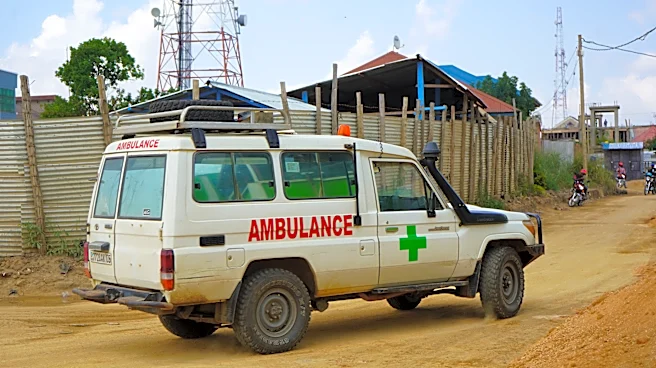
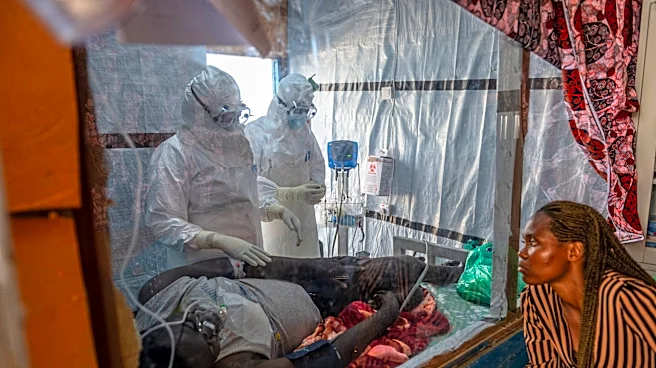
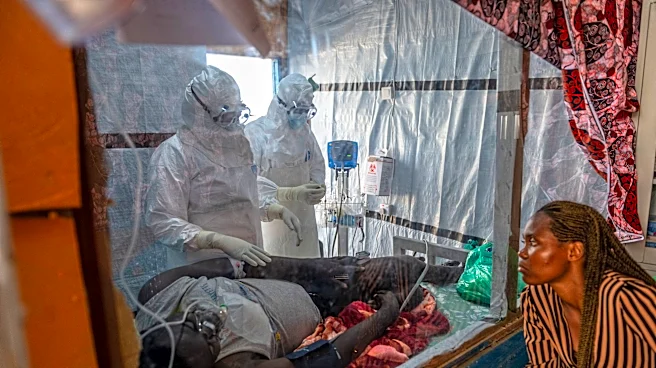
The Ministry of Health in Congo has reported that at least 930 people have died due to the ongoing Ebola outbreak, which is the fastest-growing on record. The outbreak, declared on May 15, has resulted in 2,344 confirmed cases. The Bundibugyo virus, responsible
for this outbreak, is less common and currently has no approved vaccine or treatment. The situation is exacerbated by safety concerns that have limited response efforts, particularly in the Ituri province, which is heavily affected. Additionally, there have been at least 12 recorded attacks on health facilities and teams since the outbreak began. Many health workers have gone on strike due to payment issues, further complicating the response efforts. Currently, 724 patients are in isolation as the health ministry intensifies its response in affected zones.
Why It's Important?
The rapid spread of the Ebola virus in Congo poses significant challenges to public health efforts and highlights the vulnerabilities in the healthcare infrastructure. The lack of an approved vaccine or treatment for the Bundibugyo virus strain complicates containment efforts. The outbreak's impact is not only a health crisis but also a socio-economic one, as it disrupts local communities and healthcare systems. The strikes by health workers over payment issues underscore the need for better support and resources for those on the front lines. The international community may need to increase support to prevent further spread and assist in managing the crisis effectively.
What's Next?
The health ministry is intensifying its response efforts, but the situation remains precarious due to ongoing safety concerns and the potential for further attacks on health facilities. International aid and support may be crucial in bolstering local efforts to contain the outbreak. Monitoring the situation closely and ensuring the safety and payment of health workers will be essential in maintaining an effective response. The development of a vaccine or treatment for the Bundibugyo virus could be a long-term goal to prevent future outbreaks.
Beyond the Headlines
The outbreak in Congo highlights the broader issue of global health security and the need for robust systems to respond to infectious diseases. The situation raises ethical questions about the responsibility of the international community to assist in such crises and the importance of equitable access to healthcare resources. The ongoing attacks on health facilities also point to the need for improved security measures to protect healthcare workers and patients in conflict zones.