
What's Happening?
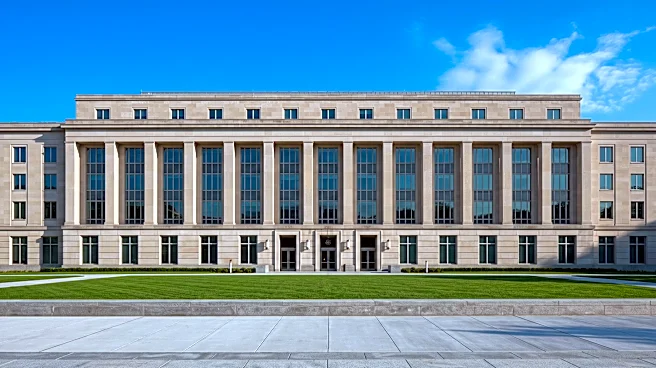
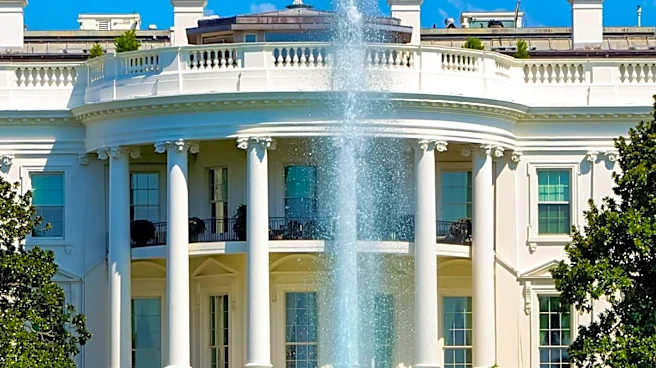
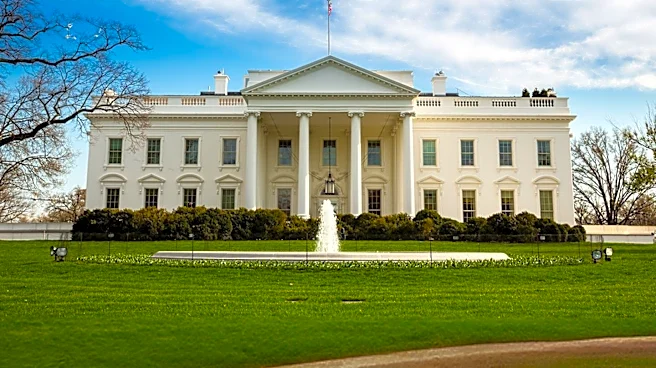
Restoration work on the White House North Portico is nearing completion, with scaffolding and a protective shroud recently removed. The project, initiated by President Trump in June, began in July and is expected
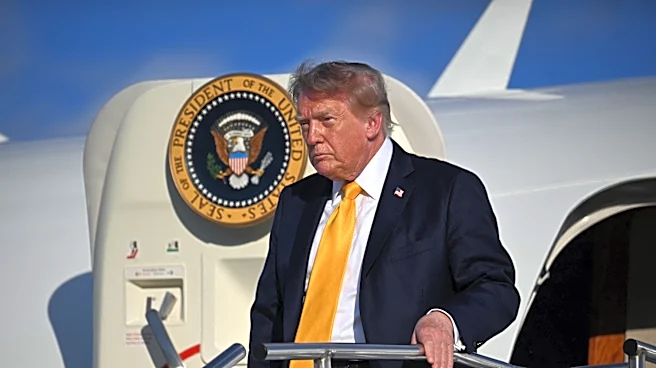
to conclude next week. This restoration precedes Chinese President Xi Jinping's state visit to the United States in late September. The North Portico, originally completed in 1830 during Andrew Jackson's presidency, is undergoing refurbishment due to routine damage from age and weather exposure. Administration officials stated that the work includes stonework and plaster repairs, as well as security enhancements and door upgrades on the Pennsylvania Avenue side. President Trump reportedly noticed the 'deplorable condition' of the portico himself and insisted on the repairs. This project is part of a broader overhaul of the White House and other federal properties in Washington D.C., some of which have faced lawsuits and criticism from historic preservationists. Additionally, President Trump announced last week the completion of a helipad on the South Lawn, while his more ambitious project, a White House ballroom and underground bunker, is still ongoing amidst legal challenges.
Why It's Important?
The completion of the North Portico restoration is significant as it directly impacts the upcoming state visit of Chinese President Xi Jinping. The White House serves as a symbol of American diplomacy and power, and its appearance for such a high-profile international event is crucial for projecting an image of stability and prestige. The timing of the completion ensures that the primary entrance for dignitaries will be presentable, despite other ongoing construction projects. President Trump's personal involvement in initiating these repairs highlights his focus on the physical state of the Executive Mansion and federal properties. While the restoration addresses necessary maintenance, it also reflects a broader administrative effort to modernize and secure key government facilities. The ongoing legal battles surrounding other White House construction projects, such as the ballroom and bunker, underscore the tension between presidential initiatives and historic preservation concerns, setting a precedent for how future administrations might approach modifications to national landmarks. The helipad completion also signifies enhanced logistical capabilities for presidential travel and security.
What's Next?
The White House North Portico restoration is anticipated to be fully completed next week, ensuring its readiness for Chinese President Xi Jinping's state visit scheduled for September 24. President Trump will host the state dinner in existing spaces, as his larger ballroom project is still under construction and facing legal challenges. This situation may provide President Trump with an opportunity to discuss his ongoing White House renovation efforts with President Xi. Meanwhile, the legal disputes concerning the White House ballroom and underground bunker project are expected to continue. These lawsuits, filed after the demolition of the East Wing without standard regulatory steps for historic federal buildings, will determine the future scope and legality of such extensive modifications to the White House. The outcome of these legal proceedings could influence how future administrations undertake renovations on historic federal properties, potentially leading to stricter oversight or revised regulatory processes for major construction projects on national landmarks.
Beyond the Headlines
The restoration of the White House North Portico, while seemingly a routine maintenance task, carries deeper implications regarding the intersection of presidential authority, national symbolism, and historic preservation. President Trump's direct intervention in initiating the repairs underscores a presidential prerogative to shape the physical environment of the nation's highest office, reflecting personal aesthetic preferences and perceived needs. However, the broader context of his 'sweeping overhaul' of federal properties, particularly the controversial ballroom and bunker project, highlights a recurring tension between modernization efforts and the protection of historical integrity. This dynamic raises questions about the balance of power between executive decisions and the established regulatory frameworks designed to safeguard national heritage. The criticism from historic preservationists and the ensuing lawsuits suggest a potential long-term shift in how major alterations to iconic federal buildings are scrutinized and approved, possibly leading to more robust public and legal challenges for future administrations. The emphasis on security enhancements within the restoration also reflects evolving threats and the continuous need to adapt historic structures for contemporary safety requirements, blending tradition with modern necessity.