






What's Happening?
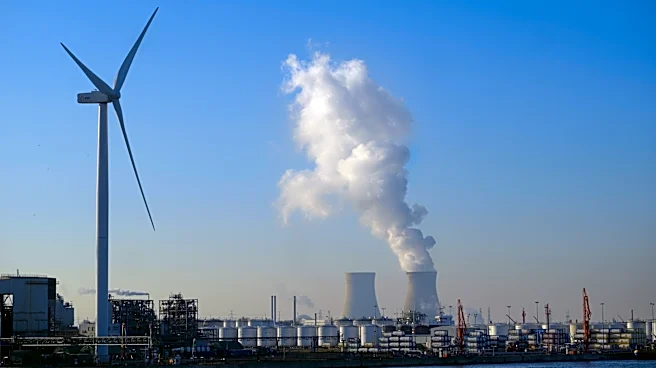
The Iowa Utility Commission (IUC) is set to hold hearings to determine the future of Central Iowa Power Cooperative's (CIPCO) proposed 240-megawatt natural gas-fired power plant, known as the Hickory Grove Generating Station, in Scott County near Maysville.
This decision follows months of significant local opposition, which led the Scott County Board of Supervisors to unanimously reject the necessary thermal-energy zoning proposal for the $400 million project. Community members, including meteorologists and doctors, have voiced environmental and health concerns, particularly regarding the plant's proximity to communities like Eldridge, Maysville, and Donahue. Additionally, questions have been raised about the creation of local jobs, with allegations of CIPCO outsourcing construction. The IUC proceedings, which began on a Tuesday, will involve hearing testimonies from various stakeholders, including the Scott County Board of Supervisors, the Environmental Law & Policy Center, Concerned Citizens of Scott County, and several local trusts and individuals.
Why It's Important?
The IUC's decision holds significant implications for energy policy, environmental protection, and local community autonomy in Iowa. If approved, the gas plant would represent a continued investment in fossil fuel infrastructure, potentially impacting the state's carbon footprint and air quality. Conversely, a rejection could signal a shift towards greater consideration of local environmental concerns and potentially encourage investment in renewable energy sources. For Scott County residents, the outcome will directly affect their health and quality of life, as well as property values in the vicinity of the proposed plant. The case also highlights the tension between state-level energy development goals and local community objections, setting a precedent for how such conflicts are resolved in Iowa and potentially other states facing similar energy infrastructure proposals. The involvement of environmental groups underscores the broader national debate on transitioning away from fossil fuels.
What's Next?
The Iowa Utility Commission will continue to hear testimonies from all involved parties until all evidence is presented. Following these hearings, the IUC, acting as a quasi-judicial body, will deliberate and issue a ruling on whether to grant CIPCO the certificate of public convenience, use, and necessity required for the Hickory Grove Generating Station. This decision will be final at the state regulatory level, though it could potentially be subject to legal challenges depending on the outcome. The community groups and local officials who have opposed the plant will be closely watching the proceedings and preparing their responses based on the IUC's ruling. The outcome will also inform future energy development proposals in Iowa, influencing how utility companies approach project siting and community engagement.
Beyond the Headlines
This case extends beyond a single power plant, touching upon fundamental questions of energy independence, environmental justice, and the balance of power between state regulatory bodies and local governance. The strong community pushback, involving diverse groups from environmental advocates to local farmers, reflects a growing national trend where citizens are increasingly demanding a say in infrastructure projects that directly affect their lives and local ecosystems. The IUC's role as an appointed, quasi-judicial body, distinct from elected local boards, highlights the complexities of regulatory oversight in contentious development projects. The decision could influence public perception of natural gas as a 'bridge fuel' and potentially accelerate or decelerate the transition to cleaner energy sources, depending on whether environmental and health concerns are prioritized over perceived energy needs and economic benefits.