







What's Happening?
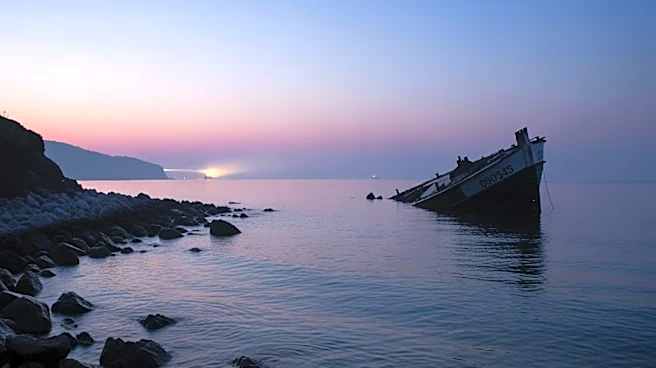
The U.S. Coast Guard has suspended the search for five missing crew members of a cargo ship that overturned near the Northern Mariana Islands during a typhoon. The ship, named the Mariana, had six crew members on board when it lost its starboard engines
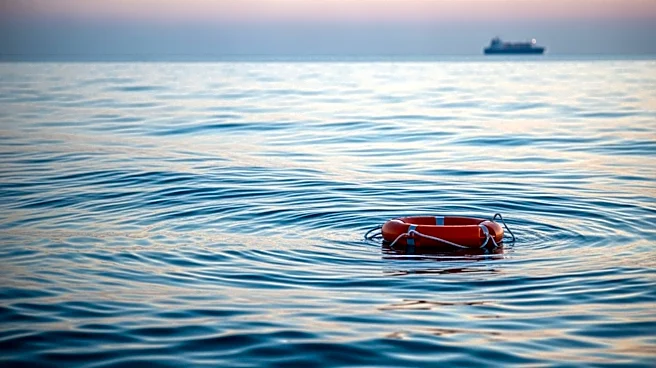
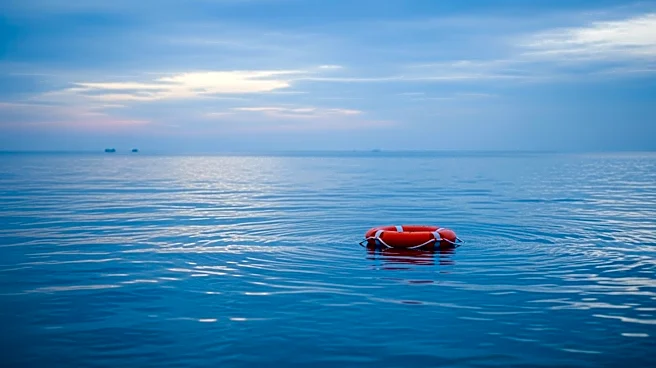
amid Super Typhoon Sinlaku. The Coast Guard was notified of the situation but lost contact with the vessel the following day. Despite extensive search efforts covering an area larger than California, only one crew member's body was recovered. The search, which lasted over 100 hours, was hindered by heavy winds but eventually located the overturned ship about 40 miles northeast of Pagan Island. Debris, including a partially submerged life raft, was found approximately 110 miles from the ship. The decision to suspend the search was described as difficult by Cmdr. Preston Hieb of the U.S. Coast Guard Oceania District, who expressed condolences to the families and the Saipan community.
Why It's Important?
The suspension of the search for the missing crew highlights the challenges faced by maritime operations in extreme weather conditions. The incident underscores the vulnerability of shipping routes in the Pacific, particularly in regions prone to severe weather events like typhoons. The loss of the crew members is a tragic reminder of the risks faced by those working at sea, and it raises questions about the safety measures and emergency protocols in place for such situations. The event also impacts the local community in the Northern Mariana Islands, a U.S. territory, as it deals with the aftermath of the typhoon and the loss of community members. The incident may prompt a review of maritime safety regulations and emergency response strategies to better protect crew members in the future.
What's Next?
While the search has been suspended, the incident may lead to further investigations into the circumstances surrounding the ship's overturning and the response efforts. The U.S. Coast Guard and other maritime authorities might review and potentially revise safety protocols and emergency procedures to prevent similar tragedies. Additionally, there could be discussions on improving communication and tracking systems for vessels operating in high-risk areas. The families of the missing crew members may seek further information and support as they cope with their loss. The broader maritime industry might also take this incident as a case study to enhance safety measures and training for crews operating in challenging environments.