




What's Happening?
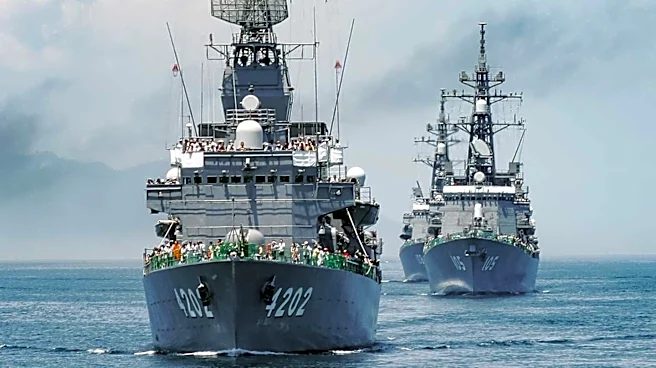
On September 2, 1940, President Franklin Delano Roosevelt announced the destroyers-for-bases deal with Britain, a pivotal exercise of presidential prerogative. The United States transferred fifty World War I-era destroyers to Britain in exchange for ninety-nine-year
leases on eight British territories in the Western Hemisphere. This deal was controversial domestically because the U.S. was formally neutral in World War II, while Britain was desperately fending off a potential German invasion. Initially, President Roosevelt believed congressional approval was necessary for such a transfer, as the Espionage Act of 1917 prohibited transferring vessels of war to a country at war. Furthermore, in June 1940, Congress directed that the president could not transfer military items unless the chief of staff of the army or the chief of naval operations certified they were not essential to U.S. defense. However, facing Britain's increasingly dire situation and a lack of congressional support for a direct transfer, President Roosevelt pursued a creative legal interpretation. Attorney General Robert Jackson, after initially advising against it, provided a new legal opinion stating the destroyers could be transferred without congressional authorization, arguing that the 1939 statute could be avoided if the deal benefited U.S. defense interests and that the 1917 statute only barred transfers of vessels built with the intent of being transferred to belligerents.
Why It's Important?
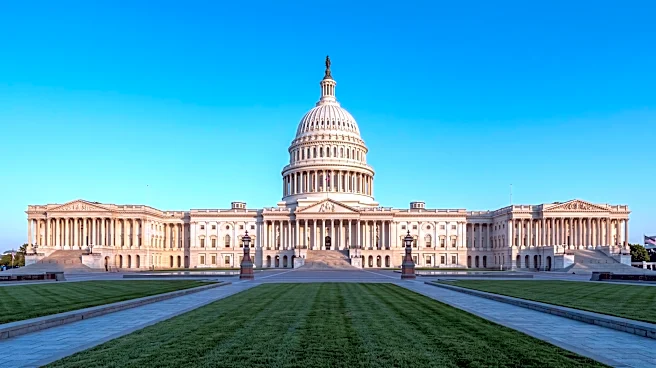
The 1940 Destroyers-for-Bases Deal significantly expanded presidential power in foreign affairs, setting a precedent for what is now referred to as the 'imperial presidency.' By bypassing Congress through an executive agreement rather than a treaty, President Roosevelt demonstrated a creative interpretation of existing laws to achieve foreign policy objectives. This move allowed the U.S. to aid Britain, which was crucial for its survival against Nazi Germany, without direct congressional approval, thereby avoiding potential political roadblocks from anti-interventionist lawmakers. While the deal provided a much-needed psychological boost to Britain and contributed to its defense, it also sparked considerable debate regarding the balance of power between the executive and legislative branches in foreign policy. Critics, including prominent constitutional scholars and Republican lawmakers, condemned the action as arbitrary and dictatorial, questioning the legality and constitutional implications of the president acting without explicit congressional consent. This event highlighted how Congress, by being unwilling to vote on politically sensitive issues, can inadvertently contribute to its own marginalization in foreign policy decisions, a dynamic that continues to influence U.S. governance.
What's Next?
The immediate aftermath of the Destroyers-for-Bases Deal saw Congress implicitly blessing the agreement by appropriating funds to fortify the newly acquired bases. This action, despite initial criticisms, solidified the deal's legitimacy and paved the way for further U.S. involvement in aiding the Allies, notably through the subsequent Lend-Lease Act. The precedent set by President Roosevelt's use of an executive agreement to bypass congressional approval for a significant foreign policy action would influence future presidents. This approach would continue to be utilized by subsequent administrations, both Democratic and Republican, to navigate legislative hurdles in foreign affairs. The debate over the extent of presidential authority in foreign policy, particularly concerning executive agreements versus treaties, remains a recurring theme in U.S. political discourse. Future administrations would continue to test the boundaries of presidential power, often leading to ongoing discussions about the appropriate balance between executive action and congressional oversight in international relations.
Beyond the Headlines
The Destroyers-for-Bases Deal has profound long-term implications for the U.S. constitutional framework and the balance of power. It underscored the flexibility and potential for creative interpretation within legal statutes, particularly when national security interests are perceived to be at stake. The attorney general's revised legal opinion, while criticized for its 'tortured' reasoning, demonstrated how legal interpretations can adapt to political exigencies, effectively expanding executive discretion. This event contributed to a gradual shift towards a more powerful presidency in foreign policy, where executive agreements became a viable alternative to treaties requiring Senate approval. Ethically, it raises questions about democratic accountability when significant foreign policy decisions are made without direct legislative consent. Culturally, it reflects a historical moment when the U.S. began to shed its isolationist tendencies, moving towards a more interventionist role on the global stage, driven by the perceived existential threat of World War II. The legacy of this deal continues to inform contemporary debates about presidential authority, executive overreach, and the role of Congress in shaping U.S. foreign policy.