







What's Happening?
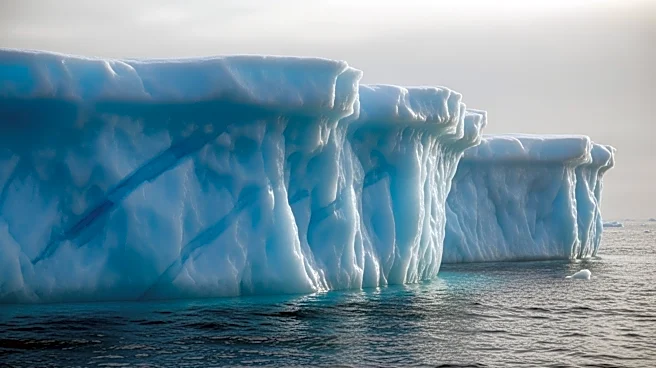
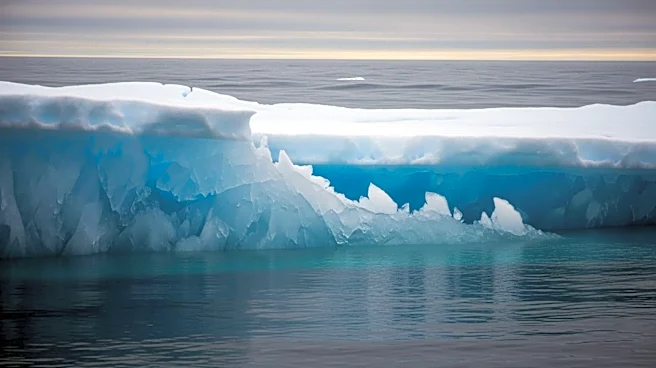
The Thwaites Glacier in Antarctica, often referred to as the 'Doomsday Glacier,' is on the verge of losing its protective ice shelf. This development is expected to accelerate the glacier's melting process, potentially leading to a significant rise in global
sea levels. The glacier, which is already melting, could contribute to a 26-inch rise in sea levels if it collapses entirely. The ice shelf acts as a buttress, slowing the glacier's flow into the ocean. Its imminent disintegration, predicted to occur this year, will likely hasten the glacier's demise. This situation poses a threat to coastal communities worldwide, including major U.S. cities like New York, Boston, San Francisco, and Miami. The warming ocean waters, driven by changes in Southern Hemisphere wind patterns linked to climate change, are primarily responsible for the ice shelf's weakening.
Why It's Important?
The potential collapse of the Thwaites Glacier represents a significant threat to global coastal communities due to rising sea levels. Even a small increase in sea level can have disproportionate effects, turning rare flooding events into frequent occurrences. This poses major challenges for infrastructure and urban planning in coastal cities, necessitating urgent research and policy responses to manage future risks. The situation underscores the broader impacts of climate change, highlighting the need for global efforts to mitigate its effects. The glacier's collapse could also destabilize other parts of the West Antarctic Ice Sheet, leading to further sea level rise and compounding the threat to coastal regions.
What's Next?
As the ice shelf is expected to disintegrate this year, researchers will closely monitor the glacier's response. The scientific community is focused on understanding the rate of ice loss and its implications for global sea levels. This research is crucial for informing policy decisions and infrastructure planning in vulnerable coastal areas. The situation also calls for increased international collaboration to address the broader challenges posed by climate change. The potential for further destabilization of the West Antarctic Ice Sheet remains a critical area of study, with long-term implications for global sea levels and climate policy.
Beyond the Headlines
The Thwaites Glacier's situation highlights the complex interplay between climate change and oceanic processes. The changes in Southern Hemisphere wind patterns, driven by human-induced climate change, are a key factor in the glacier's destabilization. This underscores the importance of understanding atmospheric and oceanic dynamics in predicting future climate impacts. The event also raises ethical considerations regarding the responsibility of current generations to address climate change and mitigate its effects for future generations. The potential long-term impacts on global sea levels emphasize the need for sustained research and international cooperation to develop effective climate strategies.