
What's Happening?
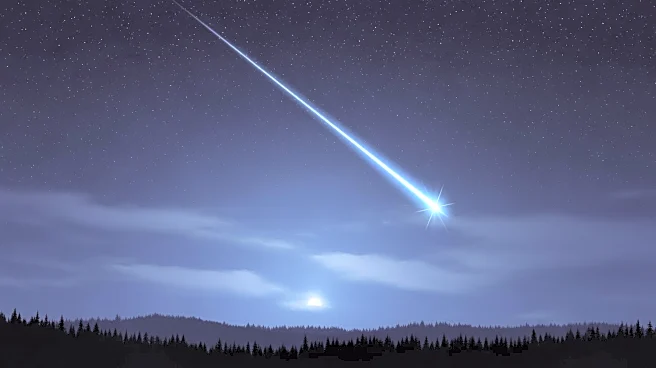
The Ursid meteor shower, marking the last major meteor event of 2025, is set to peak on the night of December 21 into the early morning of December 22. This meteor shower is less intense compared to others
like the Geminids but still offers a chance to see up to 25 meteors per hour under optimal conditions. The Ursids are visible only in the Northern Hemisphere and benefit from the absence of moonlight interference due to the new moon. The shower results from Earth passing through debris left by Comet 8P/Tuttle. The American Meteor Society notes that no special equipment is needed to view the meteors, making it accessible for casual observers.
Why It's Important?
Meteor showers like the Ursids provide an accessible way for the public to engage with astronomy and the natural world. They offer educational opportunities and can inspire interest in science and space exploration. The event also has cultural significance, as it coincides with the holiday season, allowing families and communities to incorporate stargazing into their celebrations. Additionally, such events can have economic benefits for regions with clear skies, as they attract tourists and astronomy enthusiasts.
What's Next?
Looking ahead to 2026, several major meteor showers are anticipated, including the Quadrantids in January and the Perseids in August. These events will provide further opportunities for public engagement with astronomy. Communities and educational institutions may organize viewing events and activities to capitalize on these celestial occurrences, promoting science education and community involvement.