






What's Happening?
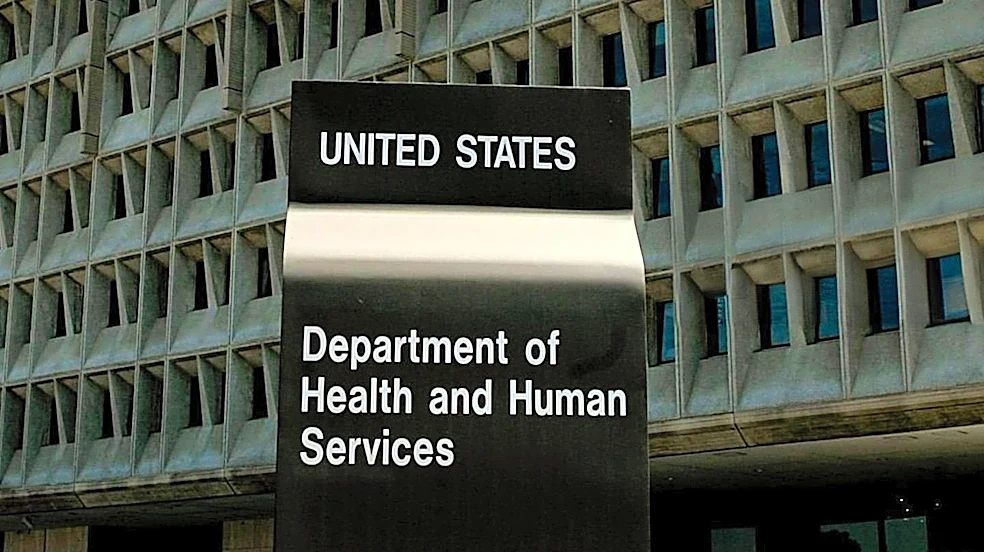
The U.S. Department of Homeland Security's (DHS) Blue Campaign is drawing attention to familial trafficking, a form of human trafficking where perpetrators are family members or caregivers. This type of trafficking often goes unnoticed because traffickers
exploit existing trust, dependence, and authority within families to control victims and conceal their activities. Familial traffickers employ force, fraud, or coercion, similar to other traffickers, by lying to victims about financial benefits for the family, threatening eviction, or manipulating them with emotional blackmail. While many documented cases involve children and youth, familial trafficking can also affect adults who rely on family members for housing, money, or daily care. The International Organization for Migration found that 41% of child trafficking cases in its dataset involved family members or caregivers. The Blue Campaign emphasizes that identifying familial trafficking requires looking beyond obvious indicators, such as observing if a person's living situation is conditional on unpaid work or if a student is reluctant to leave school due to undisclosed 'jobs' arranged by parents.
Why It's Important?
This initiative by the DHS Blue Campaign is crucial for enhancing public awareness and understanding of a hidden and insidious form of human trafficking. Familial trafficking is particularly challenging to detect and report due to the intimate relationships involved, which can make victims less likely to recognize their exploitation or seek help. By highlighting this issue, the campaign aims to empower individuals to identify subtle warning signs that might otherwise be dismissed as normal family dynamics. Increased public vigilance can lead to earlier intervention, protecting vulnerable individuals, especially children and dependent adults, from prolonged abuse and exploitation. The focus on familial relationships underscores the need for a nuanced approach to anti-trafficking efforts, moving beyond the common perception of traffickers as strangers. This understanding is vital for law enforcement, social services, and community organizations to develop more effective strategies for prevention, identification, and victim support.
What's Next?
The DHS Blue Campaign encourages the public to learn more about familial trafficking through resources like the U.S. Department of State fact sheet, 'Navigating the Complexities of Familial Trafficking.' The campaign also provides clear channels for reporting suspected human trafficking, including the DHS Tip Line at 1-866-347-2423, the National Human Trafficking Hotline at 1-888-373-7888 (or texting HELP or INFO to BeFree (233733)), and the National Center for Missing & Exploited Children (CyberTipline.org or 1-800-THE-LOST (1-800-843-5678)) for child sex trafficking cases. These reporting mechanisms are critical next steps for individuals who suspect familial trafficking. Continued public education and outreach efforts will be essential to destigmatize reporting family members and to ensure that victims receive the necessary support and protection. Law enforcement and support organizations will likely continue to refine their approaches based on increased reporting and understanding of this complex issue.
Beyond the Headlines
The emphasis on familial trafficking delves into the complex psychological and social dynamics that enable exploitation within family structures. This form of trafficking challenges societal norms that often idealize family units as safe havens, revealing a darker side where trust can be weaponized. The difficulty in reporting such cases highlights broader issues of victim empowerment, particularly for children and dependent adults who may lack the agency or awareness to recognize their situation as abusive. It also brings to light the ethical dilemmas faced by individuals who suspect a family member of trafficking, balancing loyalty with the moral imperative to protect a victim. Addressing familial trafficking requires not only legal and law enforcement interventions but also community-based support systems, educational programs, and mental health services to help victims overcome trauma and rebuild their lives, while also addressing the underlying vulnerabilities that make individuals susceptible to such exploitation.