







What's Happening?
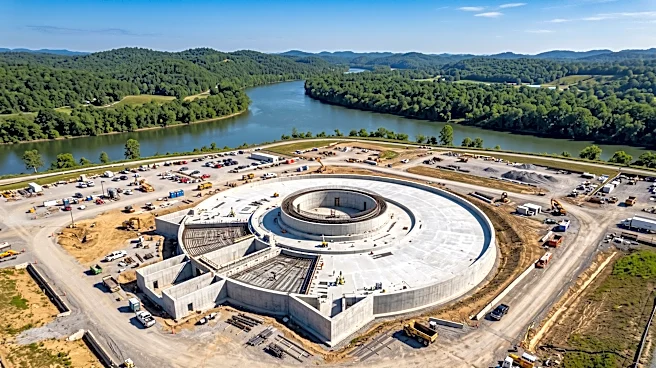
The U.S. Nuclear Regulatory Commission (NRC) has issued the nation’s second advanced reactor construction permit to the Tennessee Valley Authority (TVA) for its Clinch River Nuclear Site near Oak Ridge, Tennessee. This permit allows the TVA to proceed
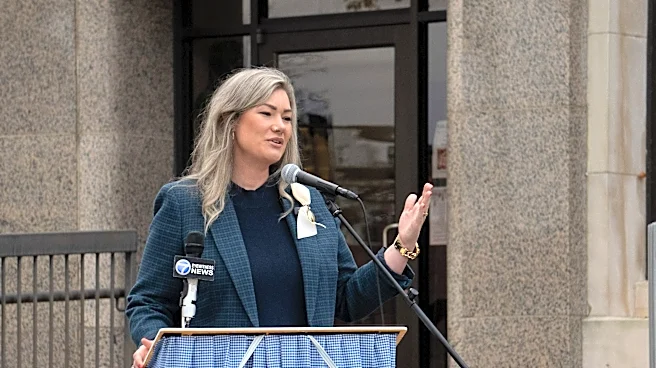
with a BWRX-300 small modular reactor, marking a significant milestone in nuclear innovation. Leaders, including U.S. Congressman Tim Burchett, credited the Trump administration for expediting the permit process, emphasizing its understanding of national security implications. Tennessee Governor Bill Lee highlighted the state's leading role in nuclear energy, noting that Tennessee is home to 229 nuclear companies, generating over $10 billion and employing more than 40,000 people. U.S. Senator Marsha Blackburn also acknowledged the partnerships that led to this achievement, stating that the road to the country's nuclear renaissance runs through Oak Ridge. While the permit is a crucial step, no timeline for the start of construction has been provided.
Why It's Important?
This development is important for several reasons. Firstly, it signifies a tangible step forward in the U.S.'s pursuit of advanced nuclear energy, potentially offering a cleaner and more reliable power source. The deployment of small modular reactors (SMRs) like the BWRX-300 could revolutionize energy production by offering more flexible and scalable nuclear power options compared to traditional large-scale reactors. Secondly, it underscores the Trump administration's focus on national security and energy independence, as highlighted by Congressman Burchett. This permit could set a precedent for future advanced reactor projects, potentially streamlining regulatory processes for similar initiatives. Economically, the project is expected to further boost Tennessee's nuclear industry, which already contributes significantly to the state's economy through job creation and investment. The TVA's ability to meet growing energy demands will also be enhanced, supporting regional development and stability. This move could also influence other states to explore advanced nuclear technologies, fostering a broader national shift towards nuclear energy.
What's Next?
While the permit has been issued, the next steps involve the TVA moving forward with the detailed planning and eventual construction of the BWRX-300 small modular reactor at the Clinch River Nuclear Site. Although no specific timeline has been given for the start of construction, the issuance of this permit removes a major regulatory hurdle. The project will likely involve further engineering, procurement, and construction phases, which could span several years. Stakeholders, including the NRC, TVA, and state officials, will continue to monitor the project's progress. The success of this project could influence future policy decisions regarding nuclear energy and SMR deployment across the U.S. It may also encourage other energy companies to invest in similar advanced reactor technologies, potentially leading to a broader expansion of nuclear power in the national energy mix. The project's development will be closely watched as a model for future nuclear innovation.
Beyond the Headlines
Beyond the immediate implications of the permit, this development highlights a broader shift in the U.S. energy strategy towards advanced nuclear technologies. The emphasis on SMRs reflects a recognition of their potential to offer enhanced safety features, reduced construction times, and greater flexibility in siting compared to conventional reactors. This could lead to a more diversified and resilient energy grid, less reliant on fossil fuels. The project also underscores the critical role of regulatory bodies like the NRC in balancing innovation with safety and environmental protection. The expedited approval process, as noted by Congressman Burchett, suggests a potential streamlining of regulatory frameworks for advanced energy projects, which could have long-term implications for other emerging technologies. Furthermore, the economic benefits to Tennessee, particularly in job creation and investment, could serve as a model for other regions looking to revitalize their industrial bases through high-tech energy initiatives. This move could also reignite public discourse on nuclear power's role in addressing climate change and ensuring energy security.