






What's Happening?
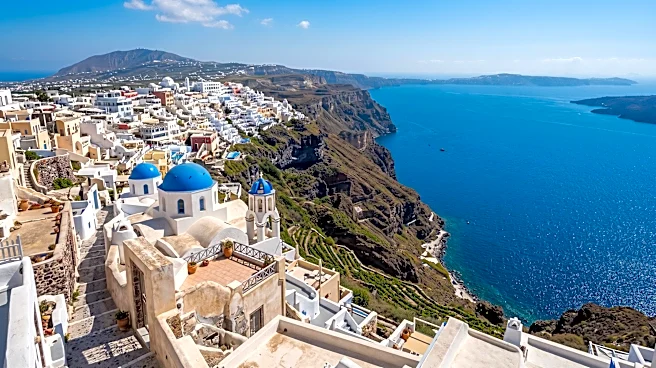
Prime Minister Kyriakos Mitsotakis has indicated that significant new development on the Greek islands of Santorini and Mykonos is unlikely over the next two decades. Speaking at the Reimagine Tourism 2026 conference, Mitsotakis emphasized the priority
of protecting existing infrastructure and assets on these popular destinations, which are nearing their capacity limits, especially during peak tourist months like July and August. He highlighted initiatives already in place on Santorini to manage cruise ship arrivals and stressed the importance of preserving the island's vineyards and unique wine experience over constructing new hotels. The Prime Minister also announced plans to charge leisure boats for entry into the proposed South Cyclades Marine Park, with revenues earmarked for marine ecosystem protection. Additionally, the government is pursuing bilateral agreements to address staffing shortages in the tourism sector and is encouraging tourism development in less-developed areas such as Chios, Lesvos, and Limnos.
Why It's Important?
This policy shift by the Greek government reflects a growing global concern about overtourism and its environmental and social impacts. For the U.S. tourism industry and American travelers, this could mean a change in the type of experiences available in popular Greek destinations. Restrictions on new development might preserve the authentic charm and natural beauty of Santorini and Mykonos, which are highly sought after by U.S. tourists, but could also lead to increased demand and potentially higher prices for existing accommodations. The focus on protecting vineyards and unique local experiences aligns with a trend among American travelers seeking more sustainable and culturally immersive trips. Furthermore, the encouragement of tourism in less-developed Greek islands could open up new, less crowded destinations for U.S. visitors, diversifying their travel options and potentially distributing tourism's economic benefits more broadly across Greece. The move to charge leisure boats for marine park access also signals a broader commitment to environmental sustainability, which resonates with an increasing number of environmentally conscious U.S. consumers.
What's Next?
The Greek government plans to implement these restrictions within a new spatial planning framework for tourism. This framework will introduce stricter development rules for heavily visited destinations while simultaneously encouraging investment in less-developed areas. The charging of leisure boats for entry into the South Cyclades Marine Park is expected to be formalized, with mechanisms for reinvesting the generated revenue into marine ecosystem protection. Bilateral agreements to address staffing shortages in the tourism sector are also in progress, aiming to facilitate the recruitment of both skilled and unskilled workers from abroad. These measures are part of a broader strategy to shift Greece's tourism model towards higher-value, less concentrated growth, focusing on extending the tourist season and increasing spending per visitor rather than solely on visitor numbers. The government will likely continue to monitor the impact of these policies on tourism and local infrastructure.
Beyond the Headlines
The Greek government's decision to limit new development in iconic destinations like Santorini and Mykonos highlights a critical ethical and economic dilemma faced by many popular tourist destinations worldwide: balancing economic growth from tourism with environmental preservation and the quality of life for local residents. This move could set a precedent for other nations grappling with overtourism, prompting a reevaluation of their own development strategies. The emphasis on protecting cultural assets like vineyards and promoting unique experiences over aggressive expansion reflects a deeper understanding of sustainable tourism, where the long-term value of a destination is prioritized over short-term gains from mass development. This approach also underscores a shift in consumer preferences, with travelers increasingly seeking authentic, sustainable, and less crowded experiences. The challenge will be to effectively implement these policies while ensuring that the economic benefits of tourism are maintained and distributed equitably, without alienating the tourism industry or local communities dependent on it.