








What's Happening?
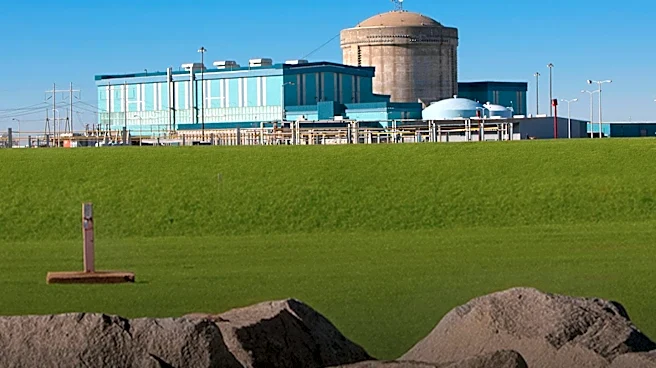
Hungary's state utility company MVM has shut down one of the four reactors at the Paks Nuclear Power Plant due to historically low water levels in the Danube River. This unprecedented move was necessary to comply with environmental regulations that restrict
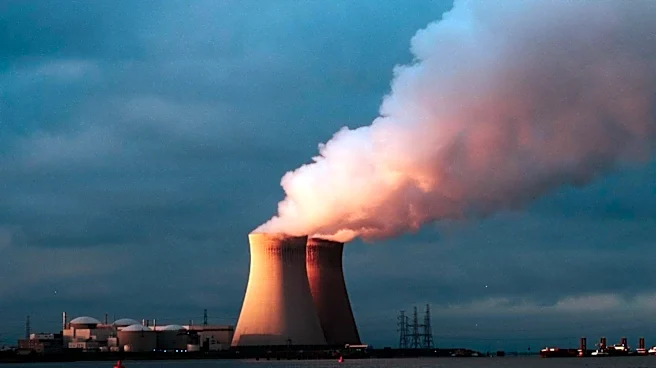
the temperature of discharged cooling water. The shutdown highlights the increasing impact of climate change on thermal power generation, as nuclear plants rely on rivers for cooling. The reduced output has led to increased electricity imports and higher production at gas-fired power plants.
Why It's Important?
The shutdown of a reactor at Paks underscores the vulnerability of nuclear power plants to climate extremes, which are becoming more frequent due to global warming. This situation poses a significant challenge to energy security in Hungary, as the Paks plant supplies a substantial portion of the country's electricity. The reliance on imports and gas-fired plants could lead to higher energy costs and increased carbon emissions. This event also highlights the need for countries to diversify their energy sources and invest in renewable energy to mitigate the impacts of climate change.
What's Next?
Hungary is preparing for further disruptions as extreme weather conditions persist. The government has declared a drought emergency and is taking measures to ensure electricity and water supplies. The situation may prompt Hungary to accelerate its renewable energy projects and reconsider its energy strategy. The government is also coordinating with water utility providers to manage the potential impact on drinking water supplies.