








What's Happening?
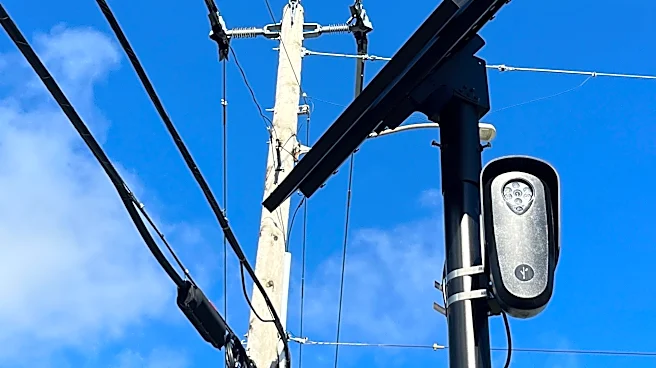
The city of Stevens Point, Wisconsin, announced it will suspend the use of its Flock Safety license plate reading cameras starting September 8, due to growing nationwide concerns and allegations of data misuse. Mayor Mike Wiza stated that while the cameras have
been valuable law enforcement tools, recent events have cast doubt on the trust regarding how Flock camera data is managed and shared. Allegations from Sheboygan, Wisconsin, concerning data sharing and management, along with reports of misuse by municipal and state employees across the country, contributed to the decision. Florida Governor Ron DeSantis also recently banned these cameras from state highways due to similar concerns about misuse and surveillance. Stevens Point currently shares camera data with over 200 agencies, and Mayor Wiza indicated that city workers will cover the cameras while officials explore terminating the city's contract with Flock Safety.
Why It's Important?
This decision by Stevens Point reflects a growing national debate over the balance between public safety and individual privacy rights concerning surveillance technology. The suspension highlights increasing scrutiny on how third-party vendors manage sensitive data collected by law enforcement. For communities, it underscores concerns about potential overreach and misuse of surveillance tools, impacting public trust in local government and police. For Flock Safety and similar technology providers, it signals a critical need for enhanced transparency and stricter data governance protocols to maintain contracts and public confidence. The actions taken by Stevens Point, Sheboygan, and Florida could set a precedent for other municipalities to re-evaluate their use of automated license plate readers, potentially leading to a broader re-assessment of surveillance technologies across the U.S.
What's Next?
Stevens Point officials will explore options for terminating their contract with Flock Safety, which currently has three years remaining and costs the city $27,000 annually. Mayor Wiza indicated a willingness to reinstate the cameras if assurances can be provided regarding data security and proper usage. This situation may prompt other Wisconsin municipalities and law enforcement agencies that use Flock cameras to review their own contracts and data management practices. The broader implications could include increased calls for state-level regulations on automated license plate readers and other surveillance technologies, potentially leading to new legislation aimed at protecting citizen privacy while still allowing law enforcement to utilize effective tools under strict oversight. The outcome in Stevens Point could influence future procurement decisions for surveillance technology nationwide.
Beyond the Headlines
The controversy surrounding Flock cameras in Stevens Point touches upon fundamental questions about the nature of public surveillance in a democratic society. Beyond immediate data privacy concerns, there are ethical implications regarding the scope of government monitoring and the potential for mission creep, where tools intended for specific law enforcement purposes are used more broadly. The ability of Flock to provide searchable vehicle data to numerous agencies raises questions about data aggregation and the creation of extensive citizen movement databases. This situation could fuel a larger public discourse on digital rights, the role of private companies in public safety infrastructure, and the need for robust oversight mechanisms to prevent a surveillance state, potentially leading to shifts in public policy and legal frameworks governing such technologies.