





What's Happening?
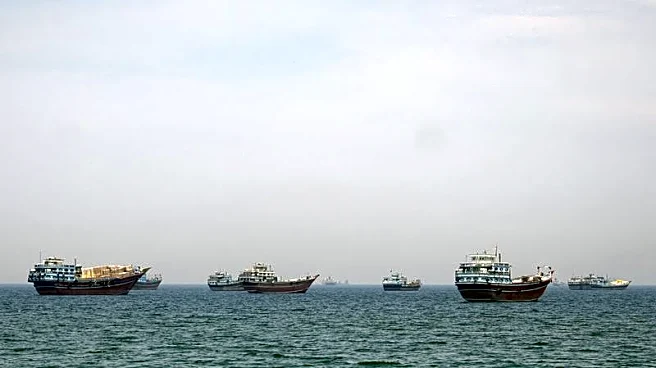
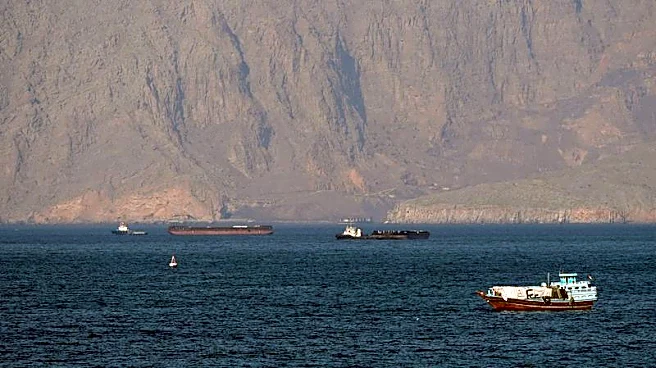
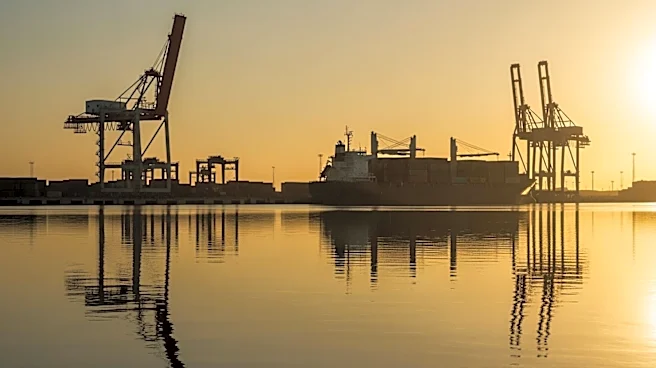
India is focusing on retrieving its ships stranded in the Gulf before dispatching more vessels to load fuel, as stated by Mukesh Mangal, additional secretary at India's ministry of ports, shipping, and waterways. The conflict in the Strait of Hormuz,
initiated by U.S.-Israeli strikes on Iran, has led to significant disruptions in India's cooking gas supply, with shipments largely halted. India, which previously sourced over 40% of its crude oil imports and about 90% of its LPG from the Middle East through the Strait, is now facing one of its worst supply disruptions in decades. Thirteen Indian-flagged vessels and one Indian-owned vessel remain stuck on the west side of the Strait, while thirteen vessels loaded with energy cargoes have managed to transit out since the conflict began.
Why It's Important?
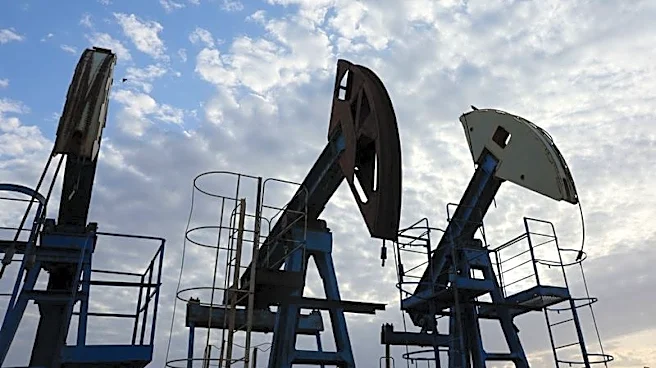
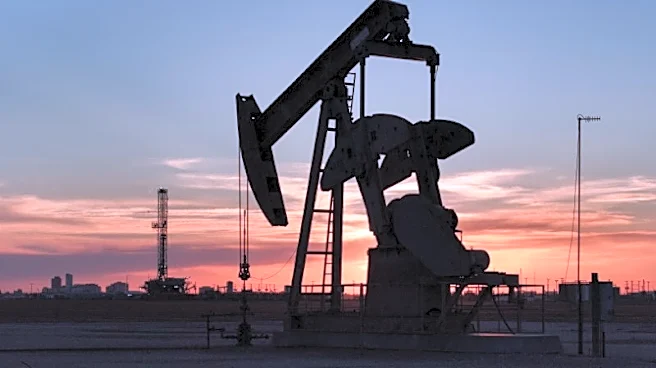
The situation underscores India's heavy reliance on the Strait of Hormuz for its energy needs, highlighting vulnerabilities in its supply chain. The disruption poses a significant challenge to India's energy security and economic stability, as the country grapples with potential shortages in cooking gas, a critical resource for millions of households. The conflict's impact on the Strait, a vital chokepoint for global oil and gas shipments, also has broader implications for international energy markets, potentially affecting global oil prices and supply chains. India's response to this crisis could influence its future energy policies and trade strategies, possibly accelerating efforts to diversify its energy sources and routes.
What's Next?
India's shipping ministry is coordinating with the foreign ministry to decide on sending vessels back once all stranded ships return. The resolution of this situation will depend on the evolving geopolitical dynamics in the region and the potential for de-escalation of the conflict. India may also explore alternative trade routes and partnerships to mitigate future risks. The international community, particularly countries reliant on Middle Eastern energy supplies, will be closely monitoring the situation, as prolonged disruptions could have far-reaching economic and political consequences.