



What's Happening?
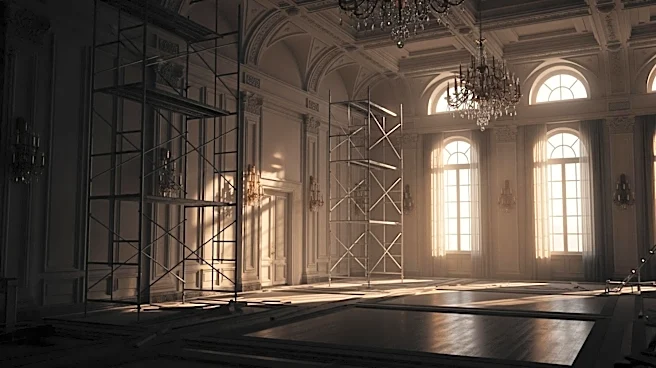
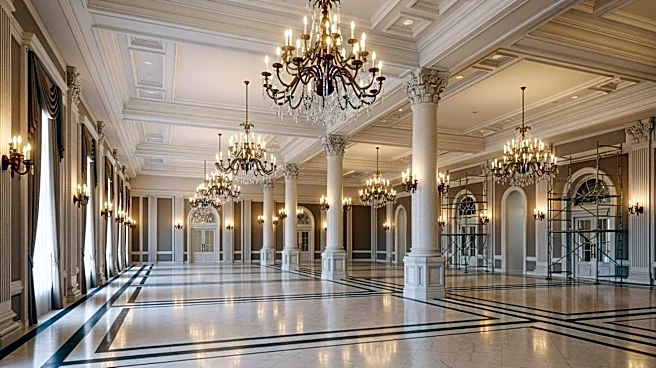
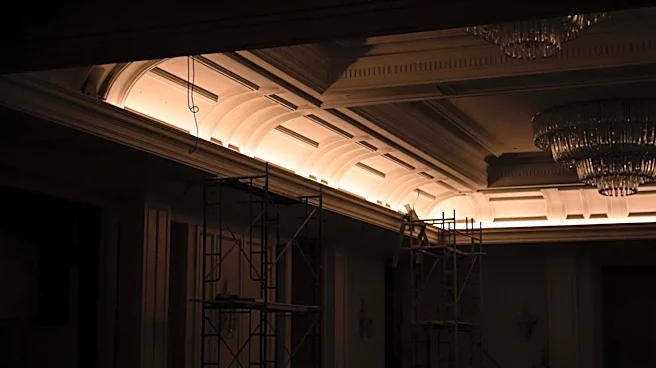
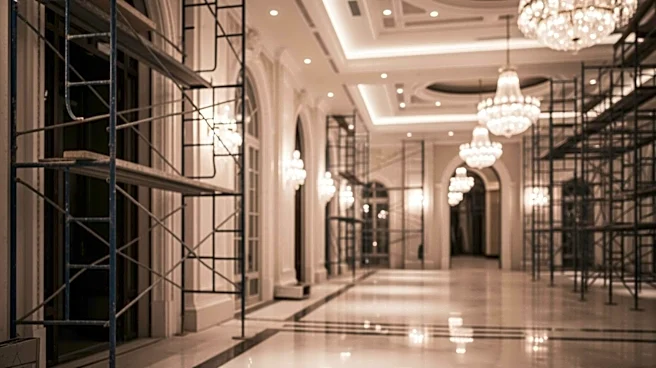
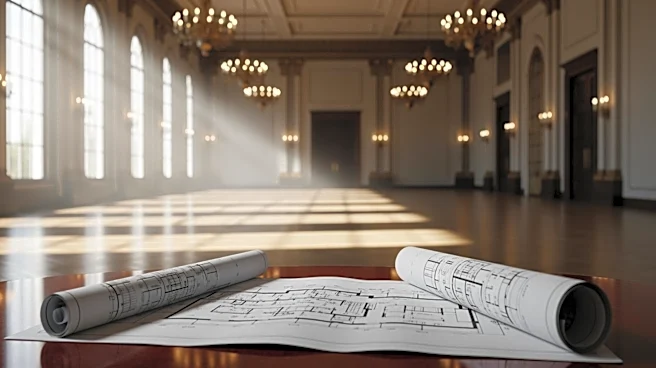
A federal appeals court has temporarily allowed the continuation of construction on President Trump’s $400 million White House ballroom project, citing national security concerns. The project, which includes renovations to the White House 'doomsday' bunker,
has faced legal challenges from the National Trust for Historic Preservation. The Trust argues that Congress was not involved in the decision-making process for the ballroom, which is planned to be larger than the White House itself. Despite a previous injunction by Judge Richard Leon, the appeals court extended the construction deadline to April 17, allowing more time to assess the administration's argument that halting the project could leave the White House vulnerable.
Why It's Important?
The decision to allow the continuation of the ballroom construction highlights the ongoing tension between historic preservation efforts and national security concerns. The project, described by President Trump as 'impenetrable,' is part of a broader renovation initiative during his second term. The legal battle underscores the complexities of balancing security needs with preservation of historic sites. If the construction proceeds, it could set a precedent for future renovations at historic government buildings, potentially impacting how such projects are authorized and funded.
What's Next?
The appeals court's decision to extend the construction deadline suggests that further legal scrutiny is imminent. The National Trust for Historic Preservation is likely to continue its legal challenge, emphasizing the need for congressional involvement in such significant projects. The administration may need to provide more detailed justifications for the national security claims associated with the ballroom. The outcome of this case could influence future government renovation projects, particularly those involving historic sites.