
What's Happening?
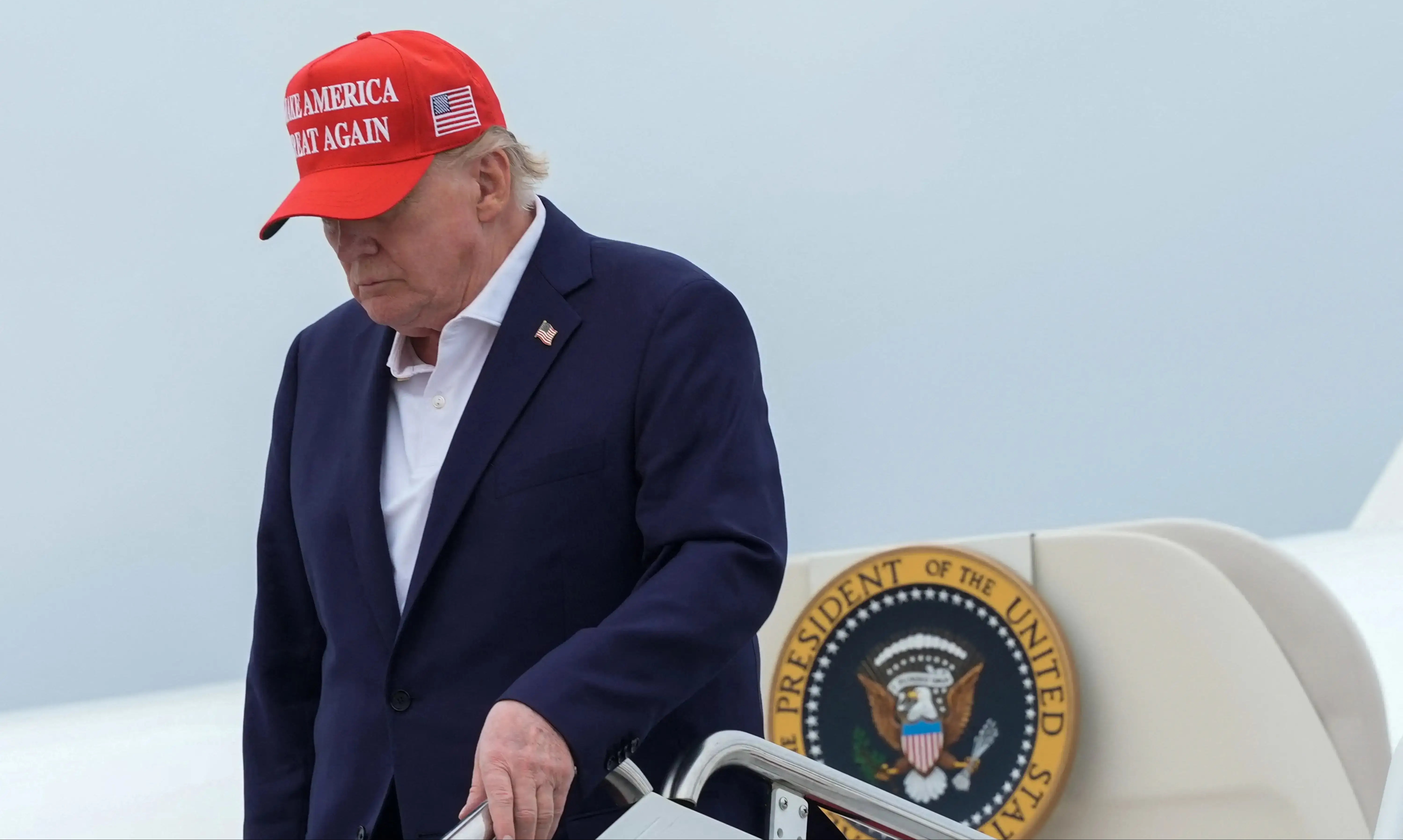
President Trump's recent warning to Oman, stating, "If Oman gets in the way, we'll bomb the shit out of them," has drawn attention to his business interests in the region. This aggressive stance towards a long-time ally comes amidst concerns about Oman potentially
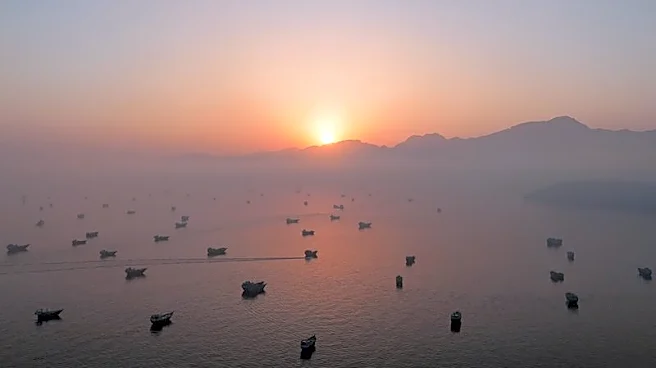
aiding Iran in ending a war. The issue is compounded by the fact that President Trump has a lucrative golf course and real estate development deal in Oman, situated on the edge of the Gulf of Oman, close to the Strait of Hormuz. The deal, which is a licensing agreement with Saudi real estate developer Dar Global on land provided by the Omani government, has already earned President Trump $1 million in licensing fees in 2024. Critics argue that his personal financial endeavors in conflict zones create a significant conflict of interest, potentially complicating U.S. foreign policy decisions.
Why It's Important?
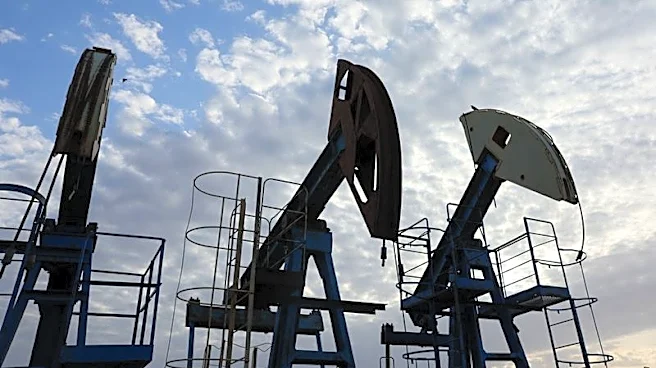
The intertwining of President Trump's personal business ventures with U.S. foreign policy in a volatile region like the Middle East raises serious questions about the integrity of decision-making. The potential for his financial interests to influence or be perceived as influencing critical diplomatic and military actions undermines the credibility of the U.S. as a neutral arbiter or a steadfast ally. This situation could lead to distrust among allies and embolden adversaries who might exploit these perceived conflicts of interest. The Strait of Hormuz is a crucial global shipping lane for oil, and any instability or perceived bias in U.S. policy could have significant economic repercussions, affecting global oil markets and international trade. The issue also highlights a broader concern about the ethical implications of a president maintaining active business interests while in office, particularly when those interests are located in sensitive geopolitical areas.
What's Next?
The immediate future will likely see continued scrutiny of President Trump's business dealings in Oman and other regions where U.S. national security interests are at play. While it's unclear if his business engagement will directly deter military action, the ongoing debate will likely fuel calls for greater transparency and stricter ethical guidelines for presidents. The situation could also influence public perception and political discourse regarding the separation of personal financial gain from public service. As tensions in the Middle East persist, any future U.S. actions or statements concerning Oman or Iran will be viewed through the lens of these potential conflicts of interest, potentially complicating diplomatic efforts and international relations. The project's construction progress and future earnings for President Trump will also remain a point of interest for those monitoring his financial entanglements.
Beyond the Headlines
Beyond the immediate political and economic implications, this situation touches upon fundamental questions of governance and public trust. The perception that a president's personal wealth could be prioritized over national security or diplomatic objectives erodes the public's faith in institutions. This case also highlights the unique challenges posed by licensing deals, where a president can profit from his name and brand without directly owning property, making it harder to track and regulate potential conflicts. The broader pattern of President Trump's business interests intersecting with U.S. foreign policy, as seen in South Korea and Saudi Arabia, suggests a systemic issue that could have long-term consequences for the norms of presidential conduct. It prompts a re-evaluation of existing ethics laws and the need for robust mechanisms to prevent such entanglements from compromising national interests.