




What's Happening?
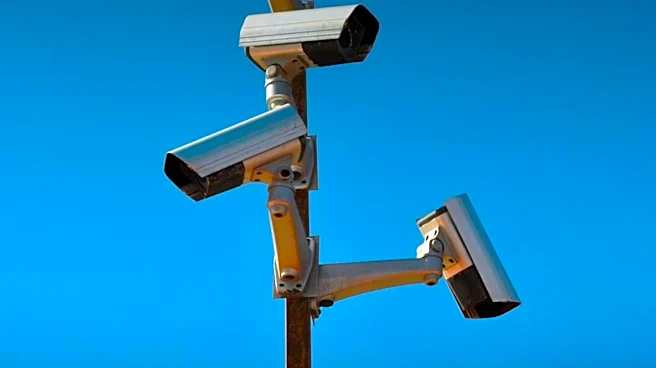
Utah Governor Spencer Cox has expressed deep concern over national reports of flock camera misuse and has ordered a review of Utah's regulations concerning these license plate tracking devices. During a recent press conference, Governor Cox stated that
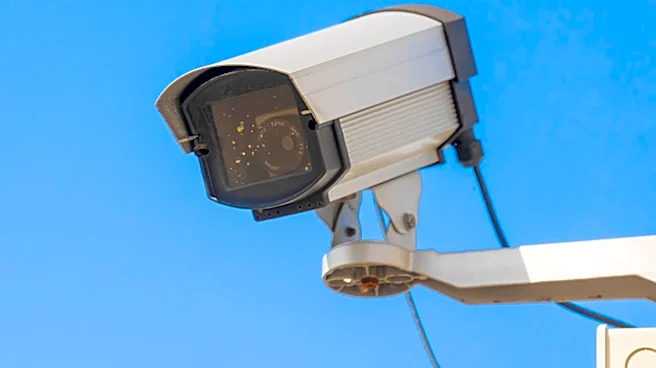
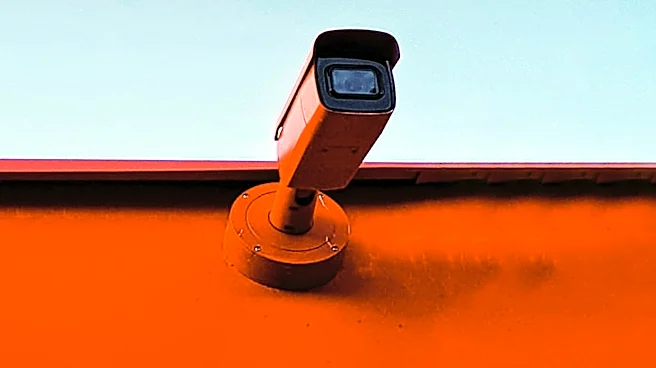
he shares public concerns about potential privacy violations associated with the cameras, which are designed as a crime-fighting tool for law enforcement. Reports have surfaced nationally alleging that law enforcement officers have used these cameras for personal reasons, such as stalking ex-partners or colleagues. Governor Cox has tasked the Utah Privacy Governing Board and the Utah Privacy Commission with conducting a thorough review of the state's rules and regulations regarding flock cameras and similar technologies. He emphasized that Utah has existing legislation to protect citizens' privacy, ensuring these technologies are used only in extreme circumstances to protect life and safety, but wants to ensure these guardrails are being followed and to identify any potential gaps that might require additional legislation.
Why It's Important?
This initiative by Governor Cox is significant for several reasons. Firstly, it addresses growing public and national debate surrounding surveillance technologies and individual privacy rights. The misuse of flock cameras, as alleged in national reports, underscores the potential for abuse of powerful surveillance tools, even when intended for public safety. Secondly, the review could lead to stronger privacy protections for Utah residents, potentially influencing other states grappling with similar issues. The outcome may result in new legislation or stricter enforcement of existing regulations, setting a precedent for how states balance law enforcement needs with civil liberties. Thirdly, it highlights the role of state governors in responding to technological advancements and their societal impacts, demonstrating a commitment to oversight and accountability in the use of surveillance technology by government agencies. This action could also impact the companies that produce and sell these technologies, potentially leading to demands for more robust safeguards and transparency in their products.
What's Next?
The Utah Privacy Governing Board and the Utah Privacy Commission will now undertake a comprehensive review of the state's regulations and practices concerning flock cameras. This review will aim to determine if existing legislation is being followed and if there are any gaps that necessitate new laws. Governor Cox has indicated that he would support additional legislation if such gaps are identified. The findings of this review will likely be presented to the public and state lawmakers, potentially leading to policy changes, enhanced training for law enforcement, or stricter auditing mechanisms for camera usage. Major stakeholders, including civil liberties advocates, law enforcement agencies, and technology providers, will be closely watching the review's progress and its recommendations. The process could also spark further public discourse on the appropriate scope and limitations of surveillance in a democratic society.
Beyond the Headlines
The controversy surrounding flock cameras extends beyond immediate privacy concerns to deeper questions about the nature of surveillance in modern society and the erosion of anonymity. The ability to track vehicle movements extensively raises ethical dilemmas about the 'always-on' monitoring of citizens, even those not suspected of any wrongdoing. This situation could contribute to a broader societal discussion about the 'right to be forgotten' in the digital age and the limits of governmental data collection. Furthermore, the reliance on such technologies by law enforcement, while effective in some cases, might also lead to concerns about algorithmic bias or disproportionate surveillance in certain communities. The review in Utah could serve as a microcosm for how states navigate the complex interplay between technological innovation, public safety, and fundamental rights, potentially shaping future legal and ethical frameworks for surveillance technologies nationwide.