






What's Happening?
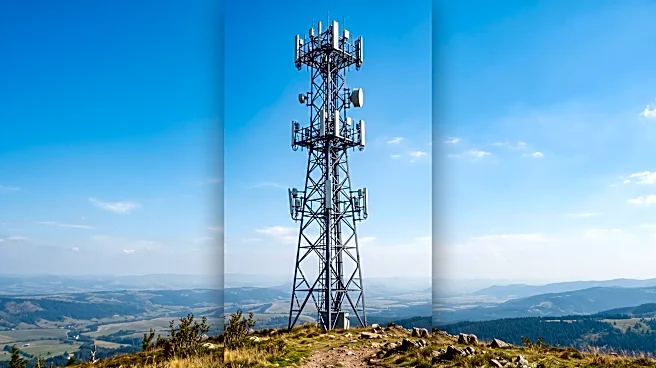
U.S. Representative Kevin Mullin has introduced the 'Reliable Emergency Alert Dissemination Integrity Act' (READI Act), aiming to improve the Wireless Emergency Alert (WEA) system. This system is utilized by the government to send emergency notifications
to mobile phones within specific geographic areas. The proposed legislation mandates the Federal Communications Commission (FCC) to evaluate the current performance of the alert system and establish targets for transmission speed, coverage area, and geographic accuracy. Additionally, the READI Act requires the FCC to investigate the use of advanced translation technologies to enhance multilingual emergency alerts. This initiative seeks to ensure that non-English speaking populations receive timely and understandable information during disasters, addressing a critical gap in current emergency communication protocols. The bill's introduction comes as San Mateo County's Emergency Management Agency launched its Atmospheric River Emergency System (ARES) in collaboration with the Center for Western Weather and Water Extremes (CW3E) to provide earlier warnings for potential storm impacts.
Why It's Important?
The READI Act is crucial for improving public safety and emergency preparedness across the United States. By setting clear performance standards for the WEA system, the legislation aims to reduce response times and broaden the reach of critical alerts, potentially saving lives during natural disasters or other emergencies. The focus on advanced translation technology is particularly significant, as it addresses the vulnerability of non-English speaking communities who may otherwise be unable to access vital information. This could prevent situations where language barriers lead to delayed responses or increased casualties. Furthermore, the bill's emphasis on evaluating and improving the system's accuracy ensures that alerts are delivered to the most relevant areas, minimizing unnecessary panic and maximizing the effectiveness of emergency communications. The collaboration between local agencies and scientific institutions, as seen in San Mateo County, underscores the growing recognition of the need for robust and inclusive emergency warning systems.
What's Next?
The READI Act will proceed through the legislative process, requiring consideration and potential amendments in Congress. If passed, the FCC will be tasked with implementing the bill's provisions, including conducting performance evaluations and developing new standards for the WEA system. The research into advanced translation technologies will likely involve collaboration with language experts and technology developers to integrate effective multilingual capabilities. Local emergency management agencies, like San Mateo County's, will continue to refine their own alert systems, potentially incorporating insights and technologies spurred by the READI Act. Public awareness campaigns may also be launched to inform citizens about improvements to emergency alert systems and encourage preparedness, especially among vulnerable populations. The ongoing efforts to enhance emergency communication infrastructure will be critical as the nation faces increasingly complex and frequent natural disasters.
Beyond the Headlines
The READI Act highlights a broader societal challenge: ensuring equitable access to critical information during emergencies. Beyond the immediate technical improvements, the legislation touches upon issues of linguistic justice and the digital divide. The integration of advanced translation technology could set a precedent for how government agencies communicate with diverse populations, fostering greater inclusivity and trust. This initiative could also spur innovation in emergency communication technologies, leading to more sophisticated and adaptable alert systems. The emphasis on performance metrics and continuous evaluation reflects a shift towards data-driven approaches in public safety, aiming for measurable improvements in emergency response. Ultimately, the success of the READI Act will depend not only on technological advancements but also on sustained commitment to addressing the needs of all communities during times of crisis.