


What's Happening?
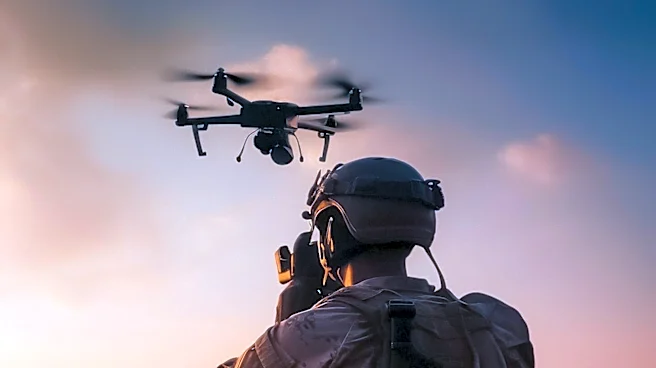
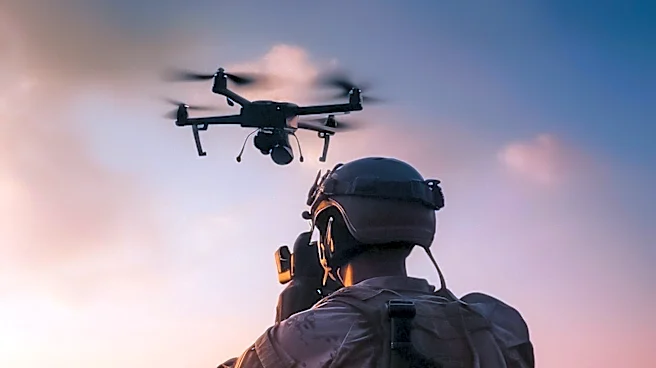
Vietnam's Deputy Prime Minister has instructed several ministries to finalize a legal framework for Unmanned Aerial Vehicle (UAV) development and management, and to create a nationwide digital aviation-security map of no-fly zones and restricted airspace.
The Ministry of Public Security is tasked with guiding localities and airport operators in publicizing this information, running awareness campaigns, and placing warning signs in no-fly zones, while also stepping up investigations and handling UAV violations. The Ministry of Transport, in coordination with the Ministry of Construction, is to regularly review and assess the management and verification of foreign personnel in Vietnam's aviation sector, particularly foreign pilots. This directive aims to enhance aviation security and regulate the increasing use of UAVs across the country.
Why It's Important?
This initiative is crucial for Vietnam's national security and civil aviation safety. The proliferation of UAVs necessitates clear regulations to prevent misuse, ensure public safety, and protect critical infrastructure, including airports and military installations. By establishing a comprehensive legal framework and a nationwide no-fly zone map, Vietnam aims to mitigate potential threats posed by unauthorized drone operations. This move also reflects a proactive approach to managing emerging technologies and their integration into national airspace. The focus on verifying foreign personnel in the aviation sector underscores a broader concern for security within the industry, aiming to prevent any potential risks associated with foreign involvement in sensitive areas.
What's Next?
The Ministry of National Defence is expected to coordinate UAV flight management, strengthen supervision in no-fly zones and restricted airspace, and propose amendments to the Law on People's Air Defense to ensure UAV flights do not interfere with civil and military operations. The Ministry of Construction will review civil aviation operating and safety regulations, direct aviation units to detect and handle UAVs entering airport areas, and build a mechanism for sharing information on UAVs affecting civil aviation. The Ministry of Finance has directed the Customs Department to tighten inspection of imported and exported UAVs and related equipment at border gates, including goods sent via post, express delivery, and cross-border e-commerce, and to share import-export data with the Ministry of Public Security and the Ministry of National Defense for traceability. Provincial and city People's Committees are responsible for disseminating UAV regulations to residents, businesses, and the public, and for publishing and updating no-fly zones.
Beyond the Headlines
The establishment of a robust UAV legal framework and no-fly zones in Vietnam highlights a global trend where governments are grappling with the challenges and opportunities presented by drone technology. This comprehensive approach, involving multiple ministries and agencies, suggests a recognition of the multifaceted nature of UAV management, encompassing security, economic, and social dimensions. The emphasis on public awareness campaigns and strict enforcement indicates a commitment to fostering a culture of compliance and responsible drone use. This regulatory development could serve as a model for other nations facing similar challenges in integrating UAVs into their national airspace while safeguarding security and privacy.