






What's Happening?
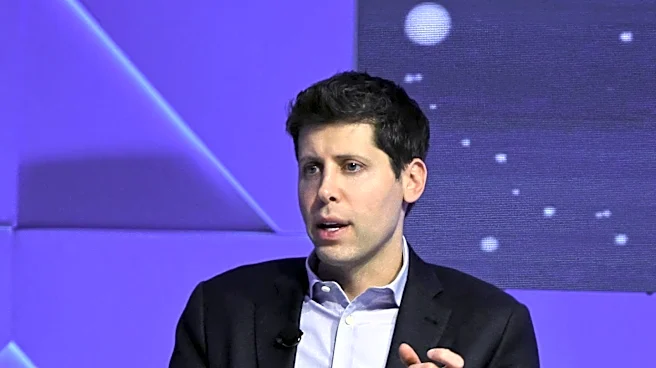
Several prominent tech CEOs, including Dazzle AI CEO Marissa Mayer, OpenAI CEO Sam Altman, and Meta CEO Mark Zuckerberg, are facing increasing criticism for making what are perceived as out-of-touch comments regarding the utility and integration of AI into
daily life. Mayer recently drew criticism for using an AI tool to help with a school assignment for her daughter. Altman has suggested personalized podcasts for children's commutes and stated he cannot imagine parenting without ChatGPT. Zuckerberg has even proposed that AI could fulfill social and romantic needs. These statements have led to questions within the tech industry, particularly from TechCrunch's Amanda Silberling, about whether AI executives are too disconnected from the average person's reality to develop relevant products. This skepticism comes as Anthropic prepares to go public, coinciding with a potential cooling of Wall Street's enthusiasm for heavy AI investments. The debate centers on whether the issue is a product problem, where AI tools optimize the wrong aspects of life, or a messaging problem, where the value of AI is communicated poorly.
Why It's Important?
The growing societal skepticism towards AI, fueled by perceived out-of-touch comments from tech leaders, could significantly impact the adoption and public perception of artificial intelligence technologies in the U.S. If the public views AI as a tool designed by and for an elite few, rather than for broad societal benefit, it could hinder innovation and investment in the sector. This disconnect might lead to a backlash against AI products, affecting consumer trust and willingness to integrate these technologies into their lives. For companies like Anthropic, which are entering the public market, this sentiment could influence investor confidence and valuation. The discussion also highlights a broader cultural tension: while tech companies push for optimization in every aspect of life, there's a counter-movement of people seeking to reduce technological influence, opting for simpler devices or physical media. This divide could shape future regulatory discussions and public policy regarding AI development and deployment, potentially leading to calls for more human-centric AI design and ethical considerations.
What's Next?
The ongoing debate about the relevance and societal impact of AI, particularly in light of tech leaders' public statements, is likely to intensify. As more AI products are introduced, companies will face increased pressure to demonstrate tangible, relatable benefits for the average consumer, moving beyond niche or perceived 'first-world' problems. This could lead to a shift in marketing strategies, with a greater emphasis on practical applications that genuinely improve daily life without alienating users. Furthermore, the financial markets may become more discerning about AI investments, favoring companies that can articulate a clear, inclusive vision for their technology. Tech executives might also become more cautious in their public commentary, recognizing the need to bridge the gap between their experiences and those of the general public. The industry may also see a push for more diverse voices in AI development teams to ensure products are built with a broader understanding of human needs and societal values, potentially influencing future product roadmaps and ethical guidelines.
Beyond the Headlines
The current discourse surrounding AI and its proponents touches upon deeper ethical and philosophical questions about the future of human interaction and societal values. The push for 'optimization' in every facet of life, including personal relationships and parenting, raises concerns about the erosion of authentic human experiences. Critics argue that outsourcing basic human interactions to AI could diminish empathy, critical thinking, and the organic development of relationships. This trend could lead to a society where convenience is prioritized over genuine connection, potentially fostering isolation despite increased technological interconnectedness. The cultural tension between technological advancement and a desire for simpler, more human-centric living also highlights a fundamental re-evaluation of what constitutes a 'good life.' This could spark broader societal conversations about the role of technology in shaping human identity, the definition of progress, and the importance of preserving non-optimized, spontaneous human experiences in an increasingly automated world. The long-term implications could include shifts in educational priorities, mental health considerations, and even the legal frameworks governing AI's influence on personal autonomy.