



What's Happening?
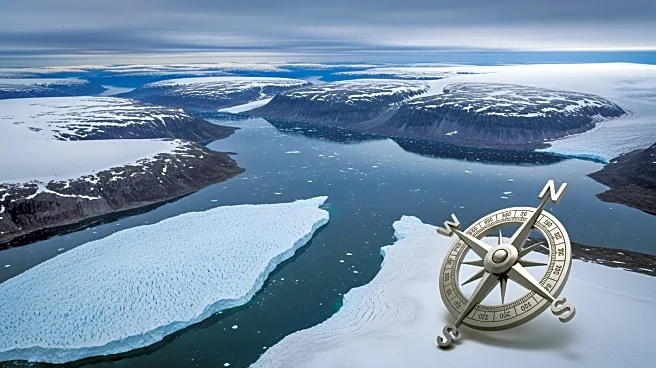
President Trump has recently made threats regarding the United States' interest in acquiring Greenland, a move that has stirred significant concern among the local population. Greenland, known for its serene wilderness, is facing a potential geopolitical
shift as the U.S. expresses interest in its acquisition. Many Greenlanders are opposed to the idea, fearing the loss of autonomy and cultural identity. Despite the opposition, there is a sense of helplessness among some residents who worry about the limited options available if the U.S. pursues this acquisition aggressively. The situation highlights the tension between Greenland's peaceful environment and the strategic interests of larger nations.
Why It's Important?
The potential acquisition of Greenland by the United States could have significant geopolitical implications. Greenland's strategic location and natural resources make it a valuable asset, particularly in the context of Arctic exploration and military positioning. For the U.S., acquiring Greenland could enhance its influence in the Arctic region, which is becoming increasingly important due to climate change and emerging shipping routes. However, for Greenlanders, this move threatens their sovereignty and cultural heritage. The situation underscores the broader theme of small nations grappling with the interests of more powerful countries, raising questions about self-determination and international diplomacy.
What's Next?
If the U.S. continues to pursue the acquisition of Greenland, it could lead to diplomatic negotiations or tensions with Denmark, which currently governs Greenland. The international community may also weigh in, considering the implications for Arctic governance and environmental stewardship. Greenlanders may seek to strengthen their political autonomy to resist external pressures. The situation could also prompt discussions within the U.S. about the ethical and strategic considerations of such an acquisition. Observers will be watching for any official statements or actions from the involved governments that could indicate the direction of this potential geopolitical shift.
Beyond the Headlines
The interest in acquiring Greenland highlights the growing importance of the Arctic region in global politics. As climate change opens new shipping routes and access to resources, countries are increasingly vying for influence in the area. This situation also raises ethical questions about the rights of indigenous populations and the preservation of their cultural identities in the face of geopolitical interests. The potential acquisition could set a precedent for how powerful nations interact with smaller, strategically located territories, influencing future international relations and territorial negotiations.