






What's Happening?
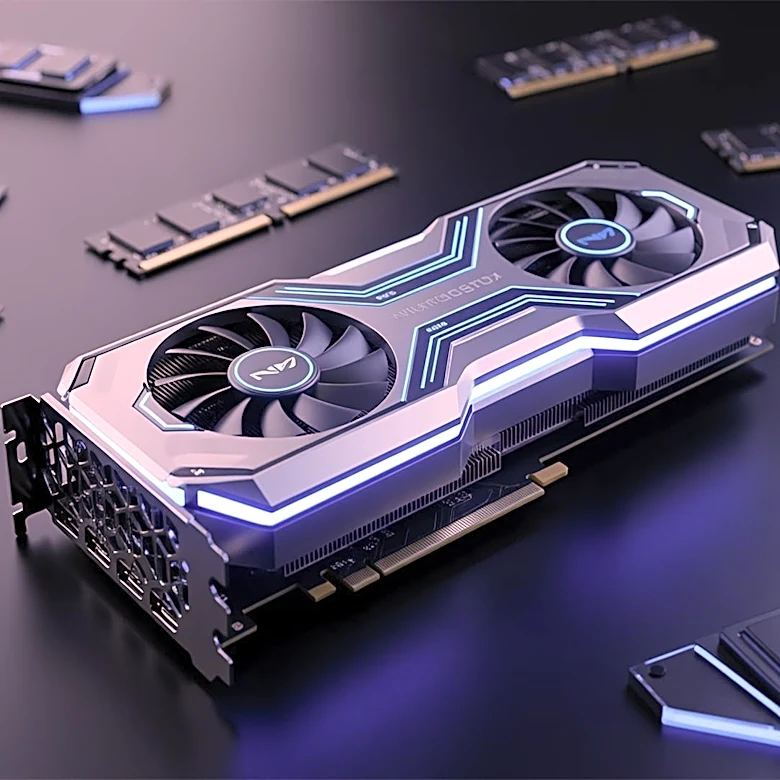
China's technology sector is increasingly moving away from reliance on Nvidia chips, as local companies develop their own semiconductor solutions. Zelostech, a startup focused on autonomous vehicles, plans to use multiple chip suppliers, including Chinese-made
chips, to reduce costs and increase deployment scale. This shift is part of a broader trend where Chinese firms like BYD, Nio, and Xpeng are investing in domestic chip development for driver-assist systems. Despite Nvidia's efforts to maintain its presence in China, including collaborations with local companies, the country's tech industry is prioritizing self-sufficiency and optimizing AI models for homegrown hardware.
Why It's Important?
The move away from Nvidia chips signifies a strategic shift in China's tech industry, aiming to reduce dependency on foreign technology and bolster domestic innovation. This transition could impact Nvidia's market share and revenue from China, as local companies increasingly adopt and improve their own semiconductor technologies. The development of domestic chips is crucial for China's long-term technological independence, potentially affecting global semiconductor markets and altering competitive dynamics in the AI and autonomous vehicle sectors.
What's Next?
As Chinese companies continue to develop and deploy domestic chips, the focus will likely be on improving performance and scalability to compete with established international players. Nvidia may need to explore alternative strategies to maintain its influence in the region, such as partnerships or investments in local talent and technology. The ongoing shift could lead to increased competition and innovation in the global semiconductor industry, with potential implications for international trade and technology policies.
Beyond the Headlines
The shift towards domestic chip production in China raises questions about the geopolitical implications of technology self-sufficiency. As China reduces its reliance on foreign technology, it may gain greater control over its tech industry, potentially influencing global standards and practices. This development could also impact international relations, as countries navigate the balance between collaboration and competition in the tech sector.