







What's Happening?
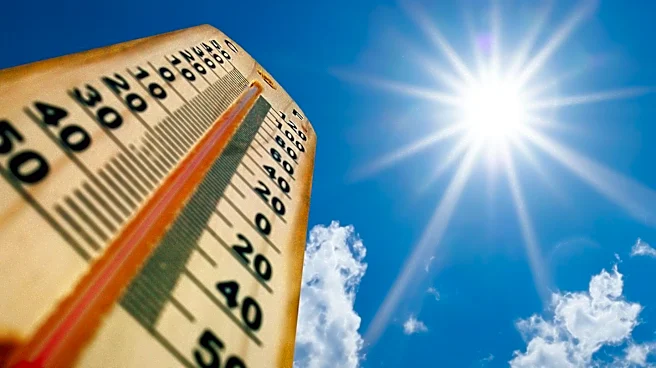
The National Weather Service (NWS) has issued Extreme Heat Warnings across several western states, including Arizona and California, as a powerful heat dome intensifies over the region. This weather pattern is causing temperatures to soar well above normal,
with some areas experiencing highs up to 118 degrees Fahrenheit. The heat dome, characterized by a strong area of high pressure, traps hot air near the ground, preventing cooler weather systems from moving through. This phenomenon is expected to persist through at least Thursday, with some areas facing dangerous conditions into the weekend. The Phoenix metropolitan area and surrounding regions in Arizona are among the hardest hit, with temperatures expected to reach between 109 and 116 degrees. The NWS warns that prolonged exposure to such extreme heat can lead to serious health risks, including dehydration, heat cramps, heat exhaustion, and potentially life-threatening heat stroke.
Why It's Important?
The extreme heat poses significant health risks, particularly for vulnerable populations such as older adults, young children, and outdoor workers. The prolonged high temperatures can lead to increased cases of heat-related illnesses, straining healthcare resources. Additionally, the demand for air conditioning during such heat waves can put a significant strain on power grids, potentially leading to outages. The heat also poses risks for outdoor activities, increasing the likelihood of heat emergencies, especially in desert areas and the Grand Canyon. The economic impact is also notable, as businesses and workers may face disruptions due to the extreme conditions. The situation underscores the broader implications of climate change, as such heat events are becoming more frequent and intense.
What's Next?
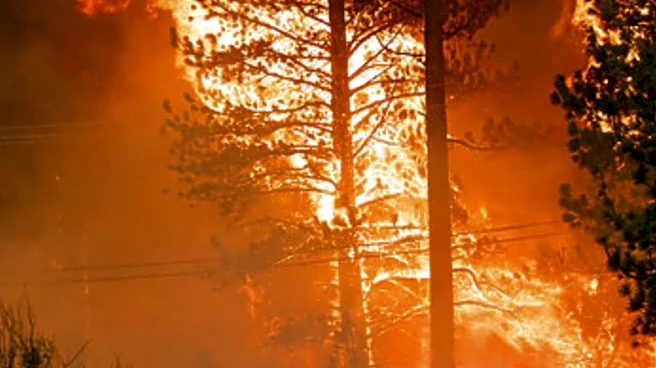
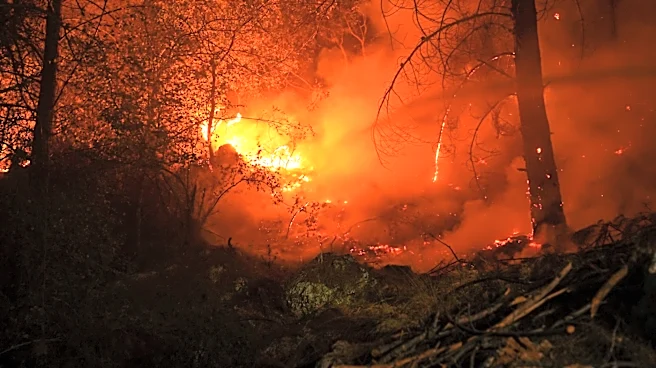
As the heat dome is expected to gradually shift northward and eastward, extreme heat will continue to affect many desert and inland communities. The evolving weather pattern may also signal the onset of the North American monsoon season, with moisture from Mexico potentially increasing humidity levels and creating opportunities for thunderstorms. However, initial storms may bring limited rainfall, instead producing lightning and gusty winds, which could elevate wildfire risks. Residents are advised to remain vigilant, as extended periods of extreme heat can have cumulative health impacts, especially where overnight temperatures remain high.