
What's Happening?
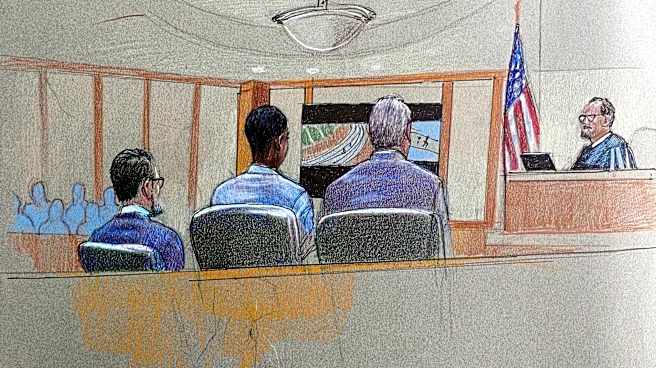
Defense attorney Russell Wilson is requesting a new trial for Karmelo Anthony, who was sentenced to 35 years in prison for the killing of 17-year-old Austin Metcalf during a high school track meet near
Dallas. Wilson argues that the original trial was marred by errors, specifically an off-the-record agreement between legal teams that limited access to proceedings and allowed for a 'shadow docket' to shield character information about both sides. This agreement, according to Wilson, led to crucial details being withheld from the jury, including Anthony's alleged obsession with guns and knives and Metcalf's history of fighting and using racist language. The prosecutor, Bill Wirskye, contends that Anthony received a fair trial and that his original attorneys had agreed to the terms. The hearing is ongoing, and a ruling on the retrial request is pending. This development follows the recent removal of the original trial judge, Judge John Roach, from the case, with Judge Michael Chitty now assigned to consider the motion for a retrial.
Why It's Important?
This case highlights significant concerns regarding judicial transparency and the potential impact of undisclosed agreements on the fairness of a trial, particularly in high-profile cases. The revelation of a 'shadow docket' and an off-the-record agreement raises questions about due process and the public's right to a transparent legal system. If a new trial is granted based on these procedural irregularities, it could set a precedent for scrutinizing similar agreements in other cases, potentially leading to more rigorous oversight of judicial proceedings. The case also underscores the challenges of managing racial tensions and public sentiment in criminal trials, as both families faced harassment and threats, and social media amplified the killing in racial terms. The decision on a retrial will have implications for how evidence is presented and how judicial discretion is exercised in cases with intense public scrutiny and sensitive underlying issues.
What's Next?
The hearing regarding Karmelo Anthony's request for a new trial is set to continue, with Judge Michael Chitty presiding. It remains unclear when Judge Chitty will issue a ruling on the retrial motion. If a new trial is granted, it would mean a complete re-evaluation of the evidence and potentially a different outcome for Anthony. Conversely, if the request is denied, Anthony's 35-year sentence will stand, though further appeals could be pursued. The outcome will likely influence public discourse on judicial practices, particularly concerning the use of off-the-record agreements and the management of sensitive information in trials. Legal experts will be closely watching the judge's decision, as it could impact future legal strategies in cases involving similar procedural challenges and intense public interest.
Beyond the Headlines
The Karmelo Anthony case delves into the complex interplay of legal procedure, public perception, and racial dynamics within the U.S. justice system. The existence of an off-the-record agreement, described as a 'shadow docket,' raises ethical questions about the balance between protecting sensitive information and ensuring a transparent trial. This practice, if widespread, could erode public trust in the judiciary by creating an impression of hidden dealings. Furthermore, the case illustrates how social media can amplify racial tensions and generate external pressures on legal proceedings, potentially influencing witness safety and judicial impartiality. The decision to remove the original judge due to a public comment about the verdict highlights the critical importance of judicial neutrality and the need for judges to avoid actions that could suggest bias. This case could prompt broader discussions within the legal community about best practices for managing high-profile cases, particularly those with racial undertones, to ensure both fairness and public confidence.