
What's Happening?
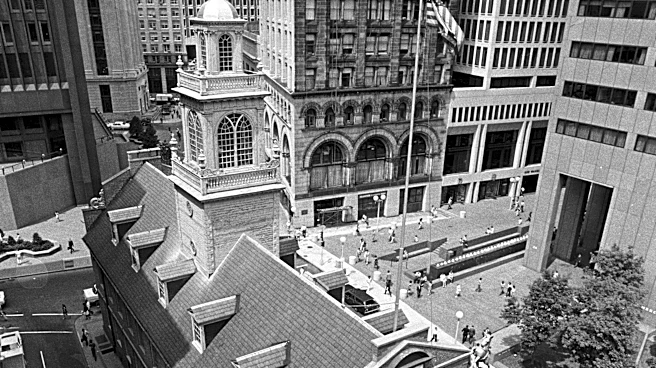
The 200 block of Gay Street in Knoxville, Tennessee, experienced dramatic changes in the mid-1970s due to the construction of Summit Hill Drive and the development of two TVA towers. This urban renewal
project led to the demolition of numerous buildings along the new road route, including all structures on the 200 block and some on its western fringe, such as the old Lawson McGhee Library building on Market Street. The project was driven by the Downtown Knoxville Association and Knoxville’s Community Development Corporation, aiming to create a sweeping divided-highway-style connector. This initiative faced opposition from groups like 'Citizens for the Humane Revitalization of Downtown Knoxville,' who highlighted the loss of character-filled buildings, including the terra-cotta-clad Lawson McGhee Library.
Why It's Important?
The transformation of Knoxville's Gay Street 200 block in the 1970s is a significant case study in urban planning and its impact on historical preservation in the U.S. The demolition of numerous buildings, some with architectural distinction, reflects a period when urban development often prioritized infrastructure over historical integrity. This event highlights the tension between modernization and preservation, a debate that continues to shape urban landscapes across the country. The loss of these structures, despite community opposition, underscores the power dynamics in urban development projects and the long-term consequences for a city's historical narrative and architectural heritage. It also serves as a reminder of how past decisions continue to influence the present-day character and memory of urban spaces.
What's Next?
The ongoing discussion and documentation of the 200 block's history, as seen in 'Ghost Walking' series, suggest a continued effort to understand and reconcile with Knoxville's urban development past. This historical reflection can inform future urban planning decisions, emphasizing the importance of balancing progress with preservation. For other U.S. cities, Knoxville's experience serves as a cautionary tale and a learning opportunity regarding the potential irreversible loss of historical assets during redevelopment. Community groups and preservationists may draw lessons from this period to advocate more effectively for the protection of historic sites in current and future projects, potentially leading to more integrated and sensitive urban development strategies that honor a city's past while planning for its future.
Beyond the Headlines
The story of Gay Street's 200 block delves into the deeper implications of urban renewal, touching upon themes of community identity, memory, and the subjective nature of progress. The replacement of historic buildings, some of which housed businesses like jewelers and clockmakers, and later, adult entertainment venues, with modern infrastructure, reflects changing societal values and economic priorities. The 'Ghost Walking' perspective, which seeks to glimpse echoes of past lives, highlights the intangible losses associated with physical demolition—the erasure of stories, community hubs, and architectural character. This narrative prompts reflection on how cities remember and represent their past, and the ethical responsibilities of developers and policymakers in shaping urban environments that serve both contemporary needs and historical continuity. The shift from a 'Cradle of Country Music Park' with a treble clef sculpture to abstract art also signifies evolving cultural priorities and the continuous reinterpretation of public spaces.