






What's Happening?
The Coca-Cola system is investing USD 1.22 million in the //Gam-i Swakop Basin Resilience Project in Namibia. This initiative aims to bolster water security and support ecosystem restoration within the Swakop River Basin, a critical water source for Windhoek
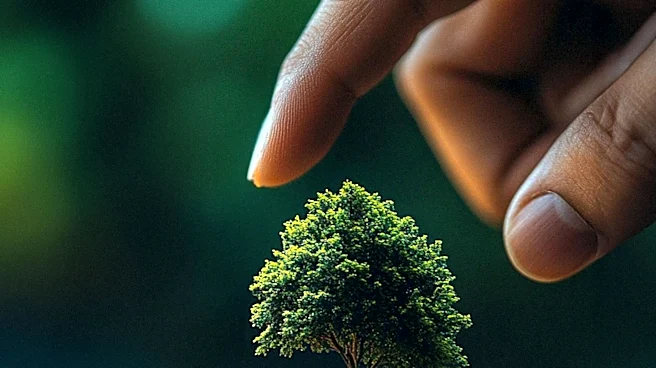
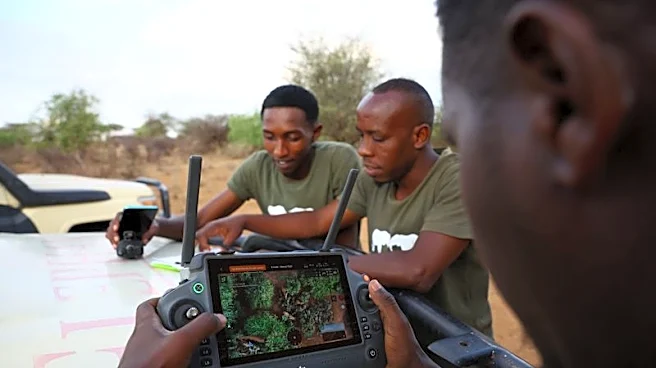
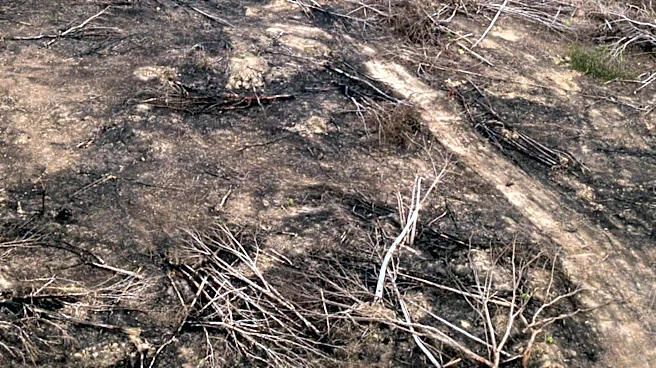
and surrounding communities. Namibia faces recurring droughts and increasing water demand, particularly in Windhoek, which is located in one of sub-Saharan Africa's most water-stressed regions. The project, implemented in collaboration with the Global Water Challenge (GWC) and World Wildlife Fund (WWF) Namibia, includes constructing two sand storage dams, restoring 235 hectares of land by clearing invasive alien plants, and planting 750 trees in river buffer zones and environmentally degraded areas within Windhoek's informal settlements. Additionally, two boreholes will be drilled to support groundwater recharge in the Windhoek aquifer, and a water resilience action plan has been developed. This effort is part of the Coca-Cola system’s Africa Water Stewardship Initiative, a nearly USD 25 million investment launched in 2024 to address water-related challenges across 20 African countries by 2030.
Why It's Important?
This investment by the Coca-Cola system highlights the growing corporate recognition of water scarcity as a critical global issue, particularly in regions like sub-Saharan Africa. For Namibia, a country severely impacted by climate change and water stress, this project offers tangible solutions to improve water availability and ecosystem resilience. The collaboration between a major corporation like Coca-Cola and environmental organizations such as GWC and WWF Namibia demonstrates a multi-sectoral approach to addressing complex environmental challenges. This initiative not only provides immediate relief through infrastructure development and ecological restoration but also sets a precedent for sustainable water resource management. The project's focus on nature-based solutions and community engagement can serve as a model for other water-stressed regions, potentially influencing future corporate social responsibility strategies and public-private partnerships aimed at environmental conservation and community well-being. The long-term impact could include enhanced water security for local populations, improved ecological health of the Swakop River Basin, and increased resilience against future climate pressures.
What's Next?
The //Gam-i Swakop Basin Resilience Project is expected to continue its implementation phases, focusing on the construction of sand storage dams, land restoration, tree planting, and borehole drilling. The developed water resilience action plan will guide future efforts in sustainable water resource management. As part of the broader Africa Water Stewardship Initiative, the Coca-Cola system plans to expand similar interventions across 20 African countries by 2030, indicating a sustained commitment to addressing water challenges on the continent. The success and lessons learned from the Namibia project could inform and shape these future initiatives. Stakeholders, including local communities, environmental organizations, and government bodies, will likely monitor the project's progress and its impact on water availability and ecosystem health. The collaboration model established in Namibia could also encourage other corporations to invest in similar water stewardship programs in vulnerable regions.
Beyond the Headlines
The Coca-Cola system's investment in Namibia extends beyond immediate water infrastructure, touching upon deeper implications for corporate responsibility and sustainable development. This initiative underscores the ethical imperative for large corporations, particularly those with significant water footprints, to actively contribute to water security in their operating regions. It highlights a shift towards integrating environmental stewardship into core business strategies, recognizing that long-term business viability is intertwined with the health of local ecosystems and communities. The project's emphasis on nature-based solutions, such as land restoration and tree planting, reflects a growing understanding of ecological approaches to climate resilience, moving beyond purely technological fixes. Furthermore, the collaboration with NGOs like WWF Namibia and GWC signifies a trend towards shared governance and expertise in tackling global environmental issues, potentially fostering more effective and holistic solutions than single-entity efforts. This could lead to a re-evaluation of corporate roles in global resource management and inspire broader industry-wide commitments to environmental sustainability.