


What's Happening?
Japanese Prime Minister Sanae Takaichi is set to visit the White House, marking the first visit by a U.S. ally since President Trump requested assistance in patrolling the Strait of Hormuz. This visit comes amid heightened tensions due to the ongoing
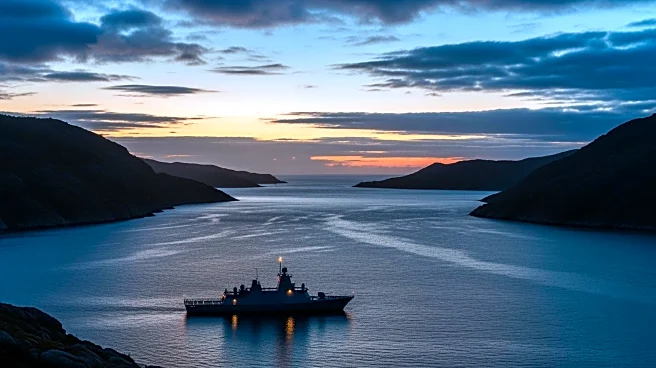
conflict involving Iran. While President Trump has indicated that the U.S. does not require additional help, Takaichi faces pressure to navigate Japan's legal and political constraints while maintaining strong ties with the U.S., Japan's only treaty ally. Japan's constitution, which renounces war, complicates any potential military involvement. Takaichi has stated that Japan has no plans to send warships to the Middle East but has not explicitly refused Trump's request. She plans to clarify Japan's legal limitations during her discussions with President Trump.
Why It's Important?
The visit underscores the delicate balance Japan must maintain between supporting its ally, the United States, and adhering to its pacifist constitution. Japan's decision on whether to assist in the Strait of Hormuz could have significant implications for its international relations and domestic politics. The situation also highlights the broader geopolitical dynamics in the region, as Japan seeks to assert its role on the global stage while managing its legal constraints. The outcome of Takaichi's visit could influence Japan's defense policies and its approach to international conflicts, potentially affecting regional stability and economic interests.
What's Next?
Prime Minister Takaichi's visit may lead to further discussions on Japan's role in international security and its relationship with the U.S. The outcome could impact future military collaborations and Japan's defense strategy. Additionally, Takaichi's handling of the situation may affect her domestic approval ratings and influence Japan's foreign policy direction. Observers will be watching for any shifts in Japan's stance on military involvement and its implications for regional security.