




What's Happening?
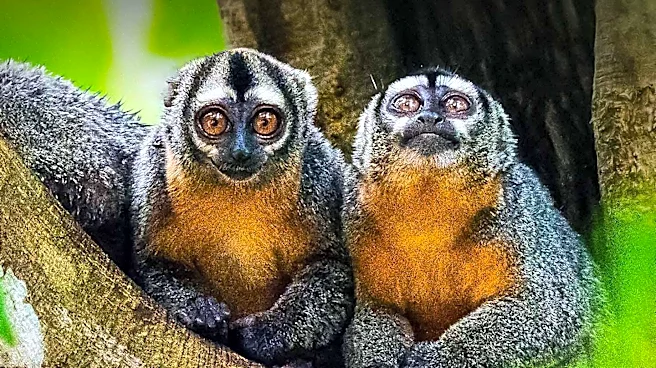
Recent research has uncovered that primates, including monkeys, engage in cross-species interactions, forming friendships and even adopting animals from other species. This behavior has been observed in zoos and other human-care settings, where primates interact with
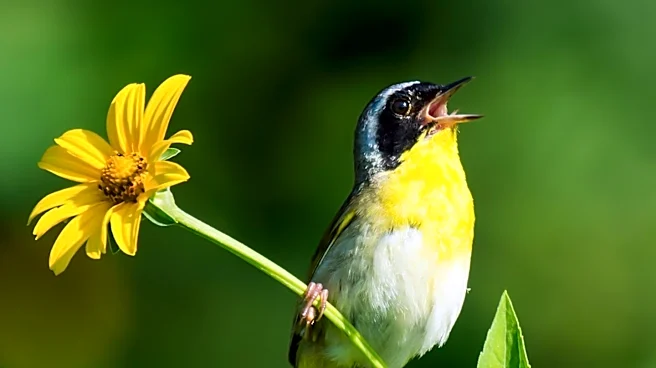
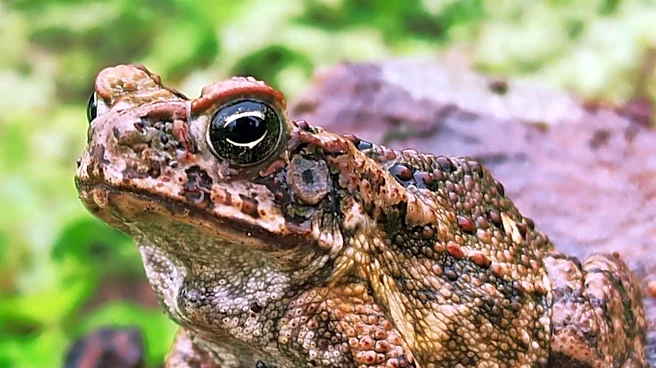
a variety of animals such as dogs, cats, and even insects. The study documented 427 cases of such interactions, involving 88 primate species and 127 other animal species. These interactions include play, grooming, and sharing food, with some primates even adopting animals from other species. The research highlights the adaptability and complex social structures of primates, suggesting that these behaviors are more widespread than previously thought.
Why It's Important?
The findings of this study have significant implications for understanding primate behavior and their adaptability in changing environments. As human activities lead to habitat fragmentation, primates are increasingly coming into contact with domestic animals and livestock. These interactions could have both positive and negative consequences. On one hand, they may enhance animal welfare in zoos by informing better management practices for housing compatible species together. On the other hand, increased interactions between wildlife and domestic animals could raise the risk of disease transmission, posing challenges for public health and conservation efforts. Understanding these dynamics is crucial for developing strategies to mitigate potential risks.
What's Next?
Future research could focus on the long-term impacts of these cross-species interactions on both primates and the animals they interact with. Conservationists and public health officials may need to monitor these interactions to prevent potential disease outbreaks. Additionally, zoos and wildlife sanctuaries might use these findings to improve animal welfare by fostering environments that encourage positive interspecies relationships. Further studies could also explore the evolutionary roots of these behaviors, providing deeper insights into the social flexibility and adaptability of primates.
Beyond the Headlines
The study sheds light on the broader capacity for social flexibility, curiosity, and tolerance in primates, which may have deep evolutionary roots. These behaviors could offer insights into the development of human social structures and our own relationships with other species. The research also raises ethical considerations regarding the management of wildlife in human-care settings, emphasizing the need for responsible practices that prioritize animal welfare and ecological balance.