






What's Happening?
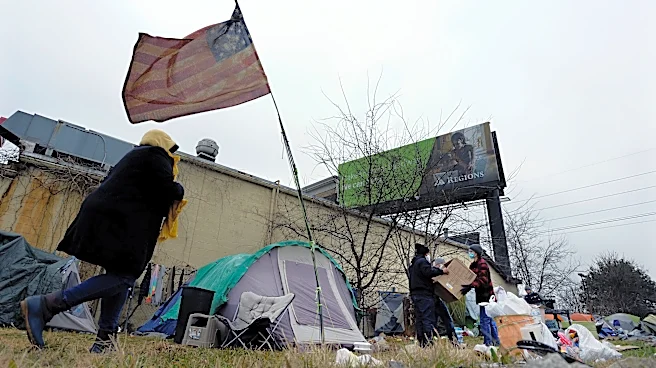
The Renton City Council has postponed a vote on Ordinance 6199, a proposed measure that would criminalize camping on city-owned property and authorize police to issue trespass orders. The delay stems from an ongoing debate among council members regarding
whether police officers should be 'required' or merely 'encouraged' to offer services to individuals violating the new rules. Councilmember James Alberson advocated for changing the wording back to 'encouraged,' arguing that it allows officers to use discretion based on the situation, and that requiring service offers might be inappropriate or complicate certain scenarios. City Attorney Shane Moloney noted that the current language lacks specifics on what services must be offered or the consequences for non-compliance. Conversely, Councilmember Carmen Rivera argued against the change to 'encouraged,' stating it would be unfair to unhoused community members and could be perceived as an attempt to shield city employees from liability. She suggested officers could document service offers and refusals. Councilmember Ryan McIrvin emphasized that if the ordinance's intent is not incarceration, then the language should reflect a 'services first' approach before consequences are applied.
Why It's Important?
This debate highlights a critical tension in U.S. municipal policy regarding homelessness: balancing public order with humanitarian concerns. The decision on whether officers are 'required' or 'encouraged' to offer services could significantly impact the lives of unhoused individuals in Renton, potentially determining access to vital support versus immediate punitive action. A 'required' clause could lead to more consistent engagement with social services, potentially addressing underlying issues of homelessness, while an 'encouraged' clause might result in varied enforcement and less access to help. For law enforcement, the outcome will define their role in addressing homelessness, either as primarily enforcers of law or as facilitators of social support. The broader implications extend to how other U.S. cities might approach similar camping bans, influencing the national conversation on homelessness and the role of local government in providing social safety nets. The financial burden of homelessness, including emergency services and potential incarceration, also plays a role, as effective service provision could reduce long-term costs.
What's Next?
The Renton City Council unanimously voted to refer Ordinance 6199 to a future Committee of the Whole meeting. This means the ordinance will undergo further review and discussion among all council members to incorporate comments and suggestions before another vote is scheduled. The primary focus of this rework will likely be the contentious language surrounding the offering of services to individuals violating the camping ban. Stakeholders, including advocates for the unhoused community, law enforcement, and local residents, will likely continue to engage with council members to influence the final wording. The outcome of these discussions will determine the specific enforcement mechanisms and humanitarian considerations embedded within the ordinance, shaping how Renton addresses public camping and supports its unhoused population in the coming months.
Beyond the Headlines
The Renton City Council's deliberation reflects a nationwide struggle to address homelessness effectively and humanely. Beyond the immediate legal and logistical aspects of a camping ban, the debate touches upon fundamental ethical questions about societal responsibility towards vulnerable populations. The choice between 'required' and 'encouraged' services is not merely semantic; it represents a philosophical divide on whether compassion and support should be integral to law enforcement's approach to homelessness or left to discretionary action. This decision could set a precedent for how other U.S. cities frame their ordinances, potentially influencing the balance between punitive measures and social welfare initiatives. The long-term implications include the potential for increased criminalization of homelessness versus a more integrated approach that prioritizes housing and support services, ultimately impacting public perception and the social fabric of communities grappling with similar challenges.