





What's Happening?
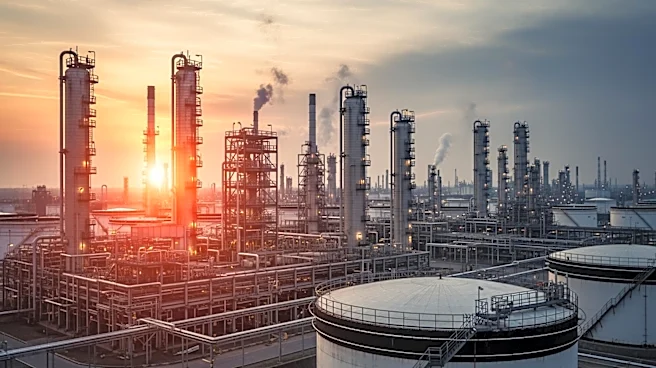
Ukrainian forces have launched strikes on oil facilities in Russia and Crimea, aiming to impose economic costs on Moscow amid the ongoing conflict. The attacks targeted the Grushovaya oil transshipment base in Russia's Krasnodar Krai region and the Semykolodezkaya
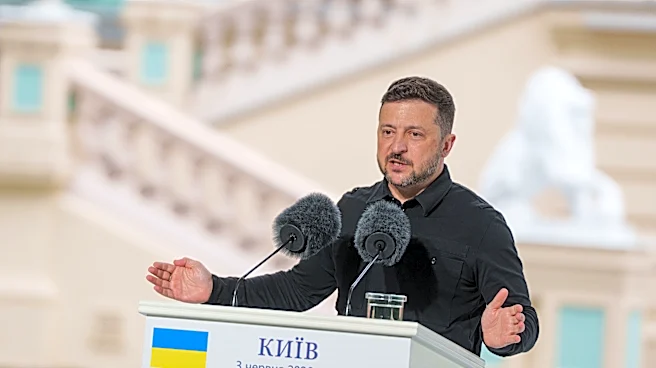
oil base in Crimea, causing fires but no reported casualties. These actions are part of Ukraine's broader strategy to disrupt Russian energy supplies. Additionally, Ukraine's President Volodymyr Zelenskyy confirmed that Roman Abramovich acted as an intermediary between Kyiv and Moscow, conveying messages from Russian President Vladimir Putin.
Why It's Important?
The strikes on Russian and Crimean oil facilities highlight the strategic use of economic warfare in the Ukraine conflict. By targeting energy infrastructure, Ukraine aims to weaken Russia's economic stability and military capabilities. This development could exacerbate tensions between the two nations and impact global energy markets, potentially leading to increased oil prices. The involvement of Roman Abramovich as a mediator suggests ongoing diplomatic efforts, although the effectiveness of these negotiations remains uncertain. The situation underscores the complex interplay between military actions and diplomatic channels in the conflict.
What's Next?
The continuation of Ukrainian strikes on Russian energy sites may lead to further military and economic responses from Russia. The Kremlin's efforts to address the fuel crisis in Crimea will be closely watched, as will any potential escalation in military activities. Diplomatic negotiations, possibly involving international mediators, could play a role in de-escalating tensions. The international community, including the U.S. and European nations, may need to reassess their strategies and support for Ukraine in light of these developments.