



What's Happening?
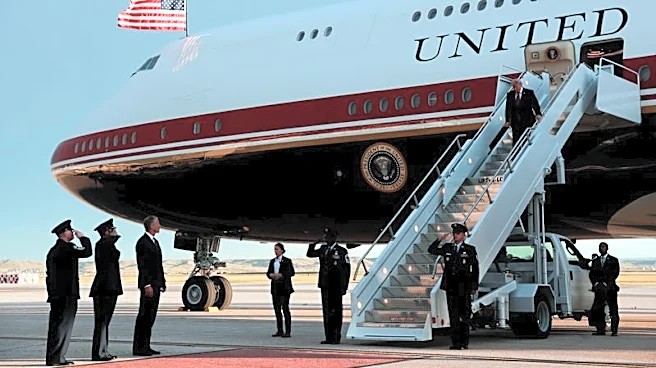
The Trump administration pursued phone records of New York Times journalists and their relatives in an effort to identify confidential sources related to articles about President Trump's Qatari-gifted Air Force One jet. This aggressive move, revealed
in a motion unsealed Monday, is part of a broader effort by the administration to crack down on media leaks. The subpoenas for phone records were issued alongside grand jury subpoenas compelling journalists to testify about their sources. The New York Times has challenged these actions, arguing they violate First Amendment protections and represent an abuse of the grand jury process.
Why It's Important?
This development underscores the ongoing tension between the Trump administration and the press, raising concerns about press freedom and government overreach. The pursuit of journalists' phone records is seen as an attempt to intimidate news organizations and could have a chilling effect on investigative journalism. The case highlights the delicate balance between national security interests and the protection of journalistic sources, a cornerstone of press freedom. The outcome of this legal challenge could set a precedent for how future administrations handle media leaks and interact with the press.
What's Next?
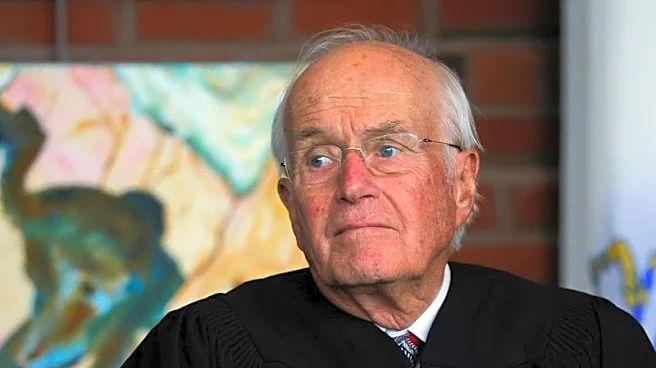
The New York Times' legal challenge against the subpoenas will be heard by U.S. District Judge Arun Subramanian, who has temporarily halted the enforcement of the phone records subpoenas. The case could lead to significant legal and policy discussions about the limits of government power in pursuing journalists' sources. The decision may influence future interactions between the government and the press, potentially prompting legislative or judicial actions to protect press freedoms. The broader implications for media organizations and their ability to report on government activities remain a critical concern.