






What's Happening?
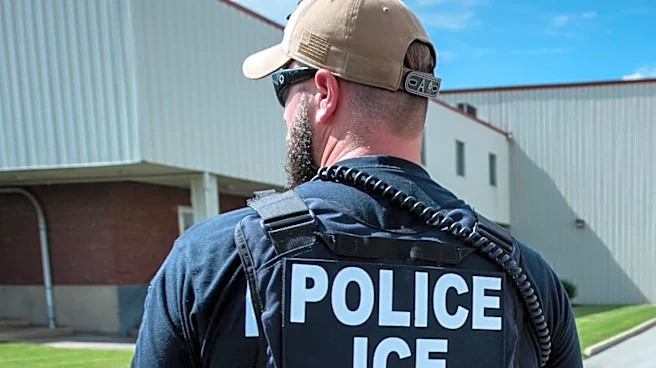
California Senator Alex Padilla has called for independent oversight of ICE detention centers, highlighting concerns about inadequate healthcare and living conditions. At a forum in Washington, D.C., Padilla emphasized the need for detainees to be treated
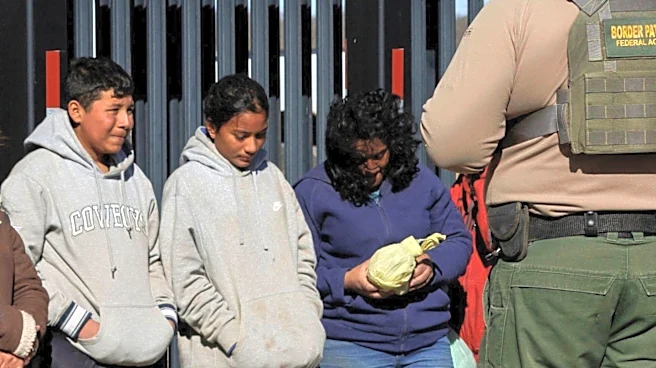
with dignity and humanity, citing a court order that the California City Detention Center failed to comply with. The Department of Homeland Security's oversight office, which previously monitored these facilities, was shut down due to funding issues, leaving a gap in accountability. Padilla stressed the urgency of establishing new mechanisms for credible investigations. Recent data shows a significant portion of detainees in California and nationwide are immigrants without criminal records, raising further concerns about the treatment and conditions in these centers.
Why It's Important?
The call for oversight is significant as it addresses human rights and legal compliance within U.S. immigration detention facilities. The lack of oversight could lead to unchecked violations of detainee rights, impacting public perception and policy on immigration enforcement. The issue also highlights broader systemic challenges in the U.S. immigration system, including the treatment of non-criminal detainees and the adequacy of healthcare provided. Padilla's advocacy may influence legislative and public discourse on immigration reform, potentially leading to policy changes that ensure better conditions and accountability in detention centers.
What's Next?
Padilla's push for oversight could lead to legislative proposals aimed at reinstating or replacing the defunct DHS oversight office. The response from ICE and other stakeholders will be crucial in determining the feasibility of such measures. Additionally, advocacy groups and civil rights organizations may increase pressure on lawmakers to address these issues, potentially leading to hearings or investigations. The outcome could affect future funding and operational guidelines for ICE facilities, impacting how immigration enforcement is conducted in the U.S.