





What's Happening?
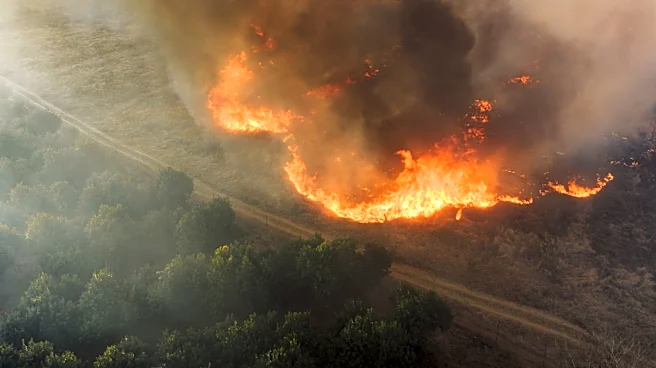
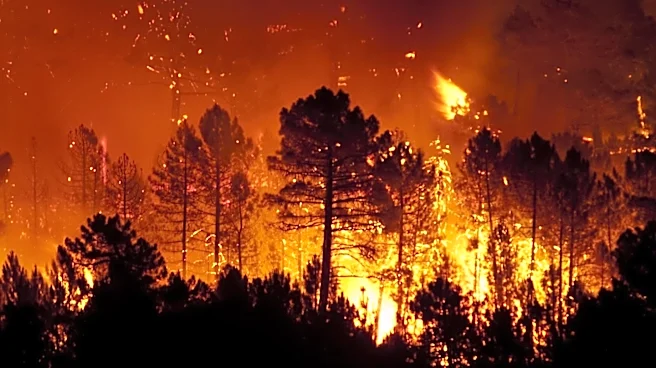
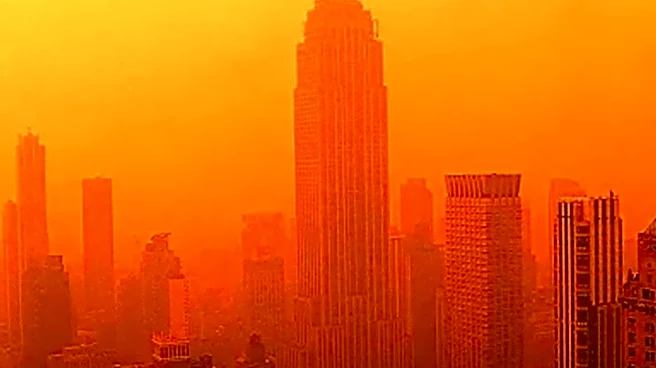
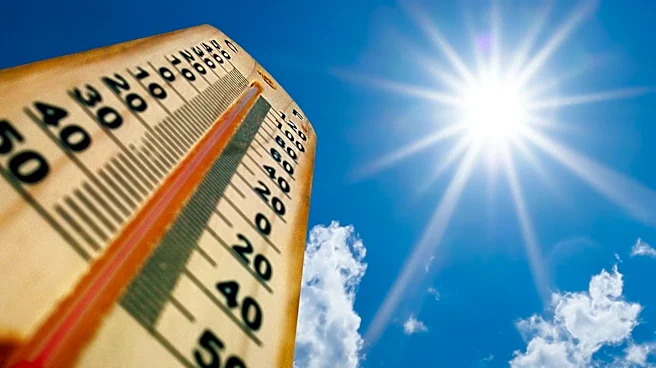
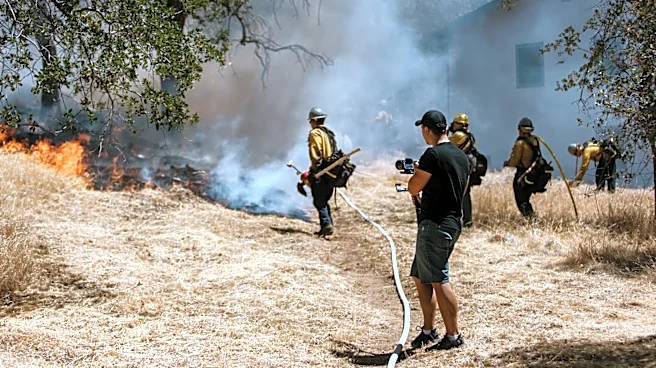
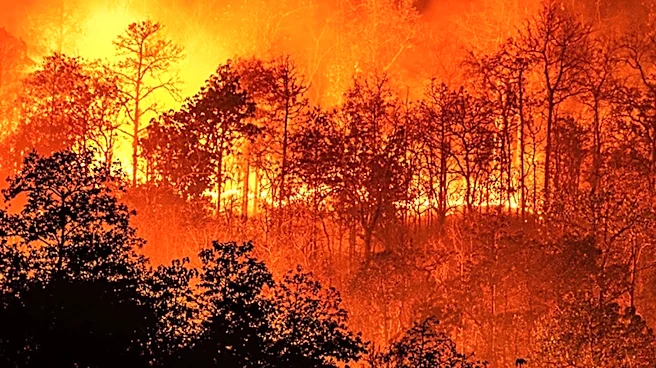
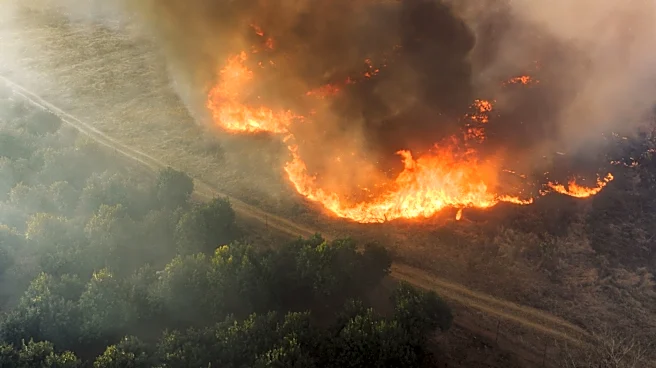
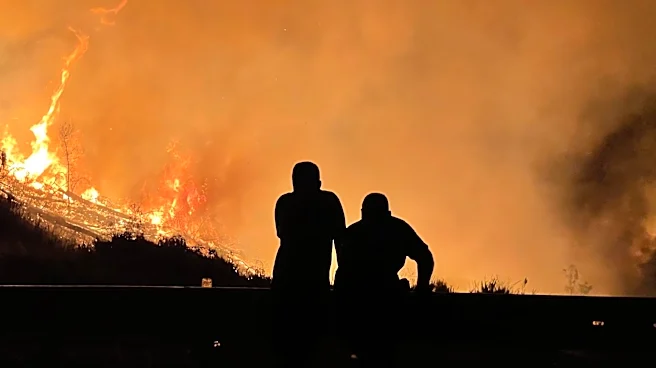
Smoke from wildfires in Ontario, Canada, is expected to blanket the skies of the Northeast U.S. through mid-week. This smoke, combined with hot and humid conditions, is likely to create challenging breathing conditions for residents. The smoke is being
funneled over the Great Lakes into the Northeast due to a combination of high pressure over the Central U.S. and low pressure over Eastern Canada. As a result, air quality is expected to deteriorate, with ground-level smoke particle concentrations potentially irritating the respiratory systems of sensitive individuals. Residents are advised to limit outdoor activities while the smoke persists.
Why It's Important?
The convergence of wildfire smoke and extreme heat poses significant health risks, particularly for vulnerable populations such as the elderly, children, and those with pre-existing respiratory conditions. Poor air quality can exacerbate health issues, leading to increased hospital visits and healthcare costs. Additionally, the situation highlights the broader implications of climate change, as rising temperatures and increased wildfire activity become more common. This event underscores the need for effective public health strategies and emergency preparedness to mitigate the impact of such environmental challenges.
What's Next?
As the smoke and heat continue to affect the region, local authorities may issue further air quality alerts and advisories. Residents are encouraged to stay informed through local news and weather updates. Public health officials may also provide guidance on protective measures, such as wearing masks or using air purifiers indoors. The situation may prompt discussions on long-term strategies to address climate-related health risks and improve air quality management.