






What's Happening?
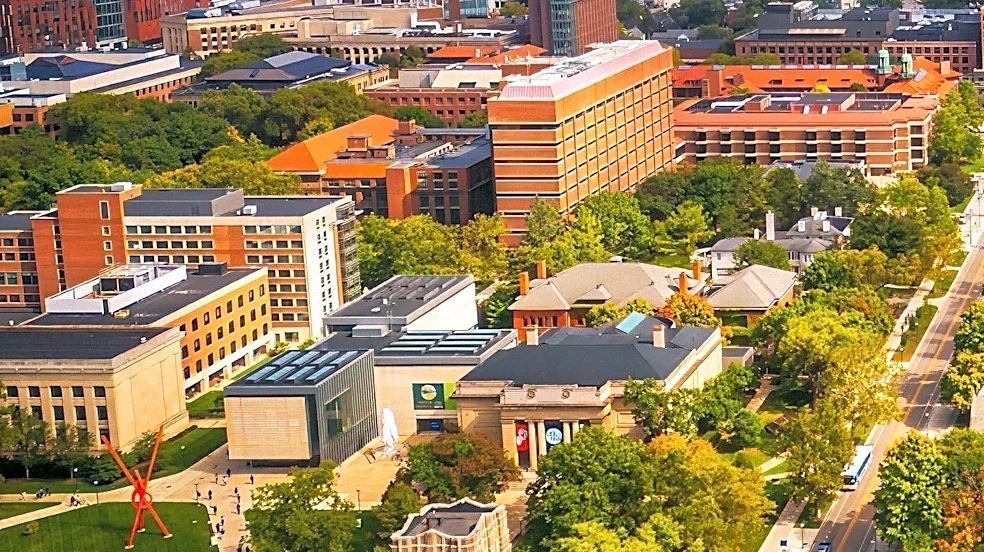
Mo Maniruzzaman, a researcher at the University of Mississippi, has received a $7 million grant to establish a laboratory that will utilize artificial intelligence (AI) and robotics to expedite the drug development process. This 'self-driving laboratory'
will be located at Insight Park, the university's research and business incubator, and is expected to be operational within two years. The grant was awarded by the Health Resources and Services Administration, an agency within the U.S. Department of Health and Human Services. The lab aims to integrate AI, robotics, and automated equipment to conduct experiments and test potential medications with minimal human intervention. The goal is to significantly reduce the current 8.5-year timeline for bringing a new medication from concept to market by enabling continuous, 24/7 experimentation.
Why It's Important?
This initiative is crucial for the pharmaceutical industry and public health in the U.S. The current lengthy and costly drug development process often delays the availability of critical medications. By leveraging AI and automation, the University of Mississippi's new lab has the potential to dramatically shorten this timeline, making life-saving drugs accessible to patients much faster. This could lead to more efficient responses to health crises and a quicker introduction of treatments for chronic conditions. The lab's focus on developing single pills that release medication on a schedule could also improve patient adherence and simplify complex medication regimens. Furthermore, this project positions the University of Mississippi as a leader in AI-driven pharmaceutical research, attracting talent and fostering innovation in the field.
What's Next?
The immediate next step involves combining existing technologies into one automated system at Insight Park, a process expected to take two years. Researchers, including doctoral students like Janhavi Deshmukh and Rahat Kader Khan, are already working on integrating technologies such as 3D printers with remote monitoring capabilities. While the lab will be highly automated, the intention is not to replace human researchers but to free them from routine tasks, allowing them to focus on data analysis and problem-solving. The long-term vision is for the lab to analyze millions of data points, predict new drug candidates, and conduct automated experiments continuously. This will require ongoing development of AI algorithms and robotic systems, as well as continuous human oversight and insight to interpret results and guide the research direction.
Beyond the Headlines
The development of self-driving laboratories like the one at the University of Mississippi represents a paradigm shift in scientific research, moving towards a future where AI and automation play a central role in discovery. This raises broader implications for scientific education and workforce development, as future scientists will need skills in AI, robotics, and data science in addition to traditional scientific disciplines. The ethical considerations of AI in drug development, such as data privacy, algorithmic bias, and the responsibility for AI-generated outcomes, will also become increasingly important. Moreover, the potential for rapid drug development could reshape the economic landscape of the pharmaceutical industry, favoring companies and institutions that effectively integrate these advanced technologies. The collaboration between human insight and tireless AI systems could unlock unprecedented scientific progress.