



What's Happening?
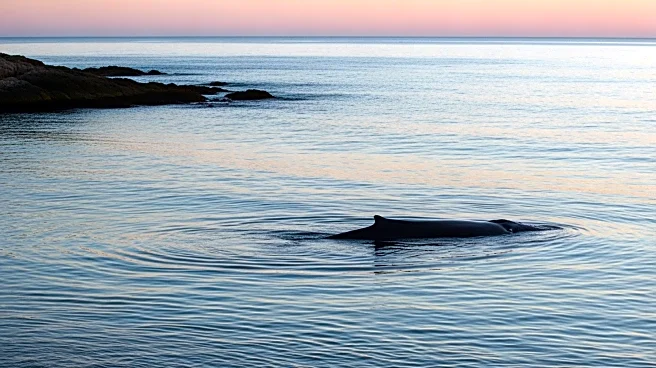
A Sei whale that washed up on Rockaway Beach in Queens was determined to have died from a collision with a boat, according to scientists from the Atlantic Marine Conservation Society. The 45-foot mammal was found with distinctive abrasions and extensive
bruising on its right side, consistent with a boat strike. The whale was initially spotted floating 15 miles off the Long Island coast before drifting ashore. The incident attracted numerous onlookers, prompting officials to cordon off the area due to safety concerns. Experts warn that decomposing whales can pose significant dangers due to the buildup of gases, which can lead to explosive ruptures. Sei whales are protected under the Endangered Species Act, highlighting the importance of understanding and mitigating human impacts on marine life.
Why It's Important?
The death of the Sei whale underscores the ongoing threat that human activities, such as shipping, pose to marine life, particularly endangered species. Boat strikes are a significant cause of mortality for large marine mammals, and this incident highlights the need for increased awareness and preventive measures. The presence of endangered species like the Sei whale in U.S. waters emphasizes the importance of conservation efforts and the enforcement of protective regulations. The event also serves as a reminder of the delicate balance between human activities and wildlife conservation, urging policymakers and the public to consider the broader ecological impacts of maritime operations.
What's Next?
In response to such incidents, there may be calls for stricter regulations on maritime traffic in areas frequented by endangered marine species. Conservation groups could advocate for the implementation of speed restrictions and designated shipping lanes to minimize the risk of collisions. Additionally, increased funding and support for marine research could be pursued to better understand the migratory patterns of endangered species and develop effective conservation strategies. Public awareness campaigns might also be launched to educate the public about the risks associated with approaching beached marine animals.
Beyond the Headlines
The incident raises ethical questions about human responsibility in protecting endangered species and the environment. It also highlights the potential for technological innovations, such as advanced tracking systems and automated alerts, to prevent future collisions. Long-term, this event could contribute to a shift in public attitudes towards marine conservation, fostering a greater appreciation for the need to coexist sustainably with marine ecosystems.