






What's Happening?
The U.S. Department of Energy (DOE) is set to provide up to $50 million in Defense Production Act funding for significant transmission upgrades across Virginia and West Virginia. This 48-month project, spearheaded by Virginia Energy, will focus on deploying
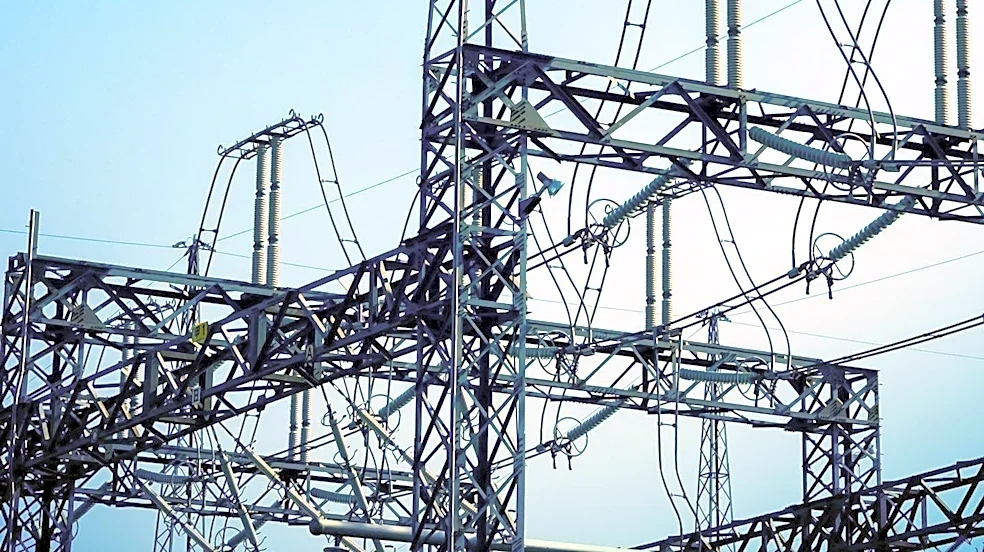
advanced reconductoring and dynamic line rating (DLR) technologies within existing transmission corridors. The primary goal is to enhance the capacity and reliability of the electric grid in these regions. Specifically, the upgrades are projected to increase Appalachian Power's Virginia network transmission capacity by approximately 290 MW. This initiative aims to address growing electricity demand, alleviate transmission congestion, and bolster grid reliability. Katie Jereza, DOE Office of Electricity Assistant Secretary, emphasized that strengthening the grid doesn't always necessitate building new power lines but rather optimizing existing infrastructure. The project involves collaboration with Potomac Edison and other regional partners, highlighting a concerted effort to modernize the nation's energy infrastructure.
Why It's Important?
This DOE-funded grid modernization project is crucial for several reasons. Firstly, it directly addresses the increasing electricity demand in Virginia and West Virginia, which is vital for supporting economic growth and daily life. By adding 290 MW of transmission capacity, the project can potentially accelerate expansion by one to four years compared to traditional upgrade methods, demonstrating a more efficient approach to infrastructure development. Secondly, the deployment of advanced reconductoring and DLR technologies represents a strategic investment in smart grid solutions, moving towards a more resilient and flexible energy system. This modernization is essential for integrating diverse generation resources, including renewables, and maintaining system reliability. Furthermore, by enhancing grid reliability and reducing congestion, the initiative supports national security by ensuring a stable power supply for critical infrastructure and services. The project also sets a precedent for how existing infrastructure can be leveraged more effectively to meet future energy needs, potentially influencing similar initiatives nationwide.
What's Next?
Over the next 48 months, the project will involve the implementation of advanced reconductoring and dynamic line rating technologies along existing transmission corridors in Virginia and West Virginia. This will entail close collaboration between Virginia Energy, Appalachian Power, Potomac Edison, and other regional partners to ensure the successful deployment of these upgrades. The focus will be on integrating these new technologies to increase transmission capacity and improve grid reliability. Following the completion of the upgrades, the performance of the modernized grid will be monitored to assess the effectiveness of the new technologies in managing increased electricity demand and reducing congestion. The success of this project could serve as a model for other regions facing similar challenges, potentially leading to broader adoption of advanced reconductoring and DLR technologies across the U.S. electric grid. Stakeholders will likely observe the project's outcomes to inform future policy and investment decisions in grid modernization.
Beyond the Headlines
The DOE's investment in grid modernization in Virginia and West Virginia extends beyond immediate capacity increases, touching upon deeper implications for the future of U.S. energy infrastructure. The emphasis on advanced reconductoring and dynamic line rating technologies signifies a shift towards intelligent, data-driven grid management. This approach not only optimizes existing assets but also lays the groundwork for a more adaptable grid capable of handling the complexities of renewable energy integration and distributed energy resources. Ethically, this project underscores a commitment to energy equity and reliability, ensuring that communities have access to stable power, which is increasingly linked to quality of life and economic resilience. Culturally, it reflects a growing recognition that infrastructure development must be innovative and sustainable, moving away from solely building new lines to intelligently upgrading what already exists. This initiative could trigger long-term shifts in how utilities and policymakers approach grid development, prioritizing smart technologies and efficiency over traditional expansion methods, ultimately fostering a more resilient and sustainable national energy landscape.