



What's Happening?
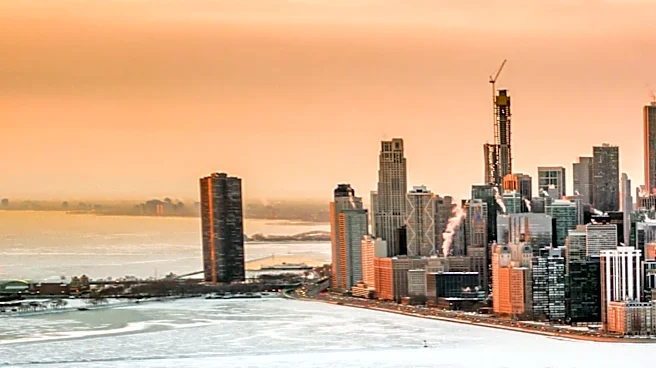
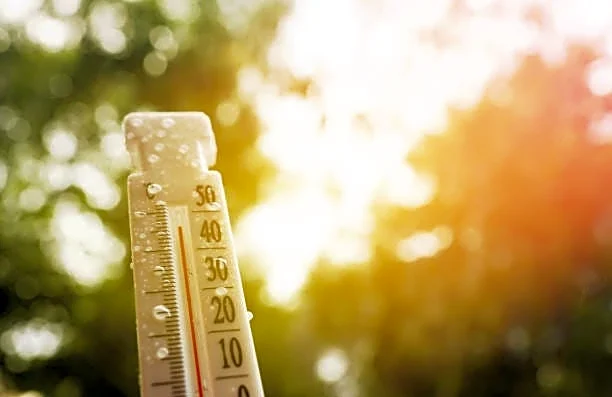
The Chicago area is experiencing a notable shift to 'true late fall-like temperatures' starting Thursday, with a 20-degree temperature drop. This follows one of the warmest Octobers on record and several days of temperatures in the 70s. According to NBC
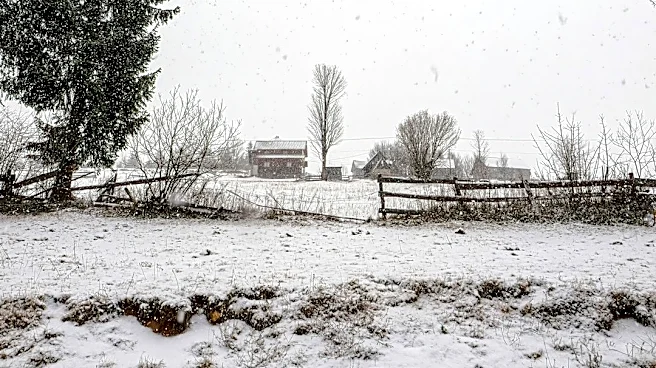
5 Storm Team meteorologist Iisha Scott, temperatures were already in the 40s early Thursday morning and are expected to rise only into the 50s, with wind gusts up to 30 mph making it feel colder. Scattered showers are possible Thursday afternoon and evening, with lake-effect rain showers developing in northwest Indiana overnight. Friday will see even colder conditions, with highs in the upper 40s and lows in the upper 30s. The National Weather Service predicts frost and freezing temperatures inland from Lake Michigan from Friday night into Saturday morning.
Why It's Important?
This sudden and significant drop in temperature, coupled with the potential for frost and freezing conditions, is important for Chicago-area residents and businesses. It necessitates immediate adjustments for outdoor activities, agriculture, and infrastructure. Homeowners will need to prepare for colder weather, potentially increasing energy consumption for heating. Businesses reliant on outdoor operations or sensitive to weather changes, such as construction or landscaping, may face disruptions. The shift from unusually warm October temperatures to freezing conditions also highlights the variability in seasonal weather patterns, which can have broader implications for climate discussions and preparedness strategies in urban environments.
What's Next?
The Chicago area will continue to experience colder temperatures through the weekend, with overnight lows remaining in the 30s. Frost and freezing temperatures are expected inland from Lake Michigan from Friday night into Saturday morning. However, milder weather is forecast to return next week, with temperatures rebounding into the 50s and 60s starting Sunday. The Climate Prediction Center anticipates that mid-November will be warmer than average for this time of year. Residents should take precautions for the immediate cold snap, while also preparing for a return to milder conditions in the coming days.
Beyond the Headlines
The abrupt transition from record-warm October temperatures to freezing conditions in Chicago underscores the increasing unpredictability of seasonal weather patterns, a phenomenon often linked to broader climate trends. This variability can pose challenges for urban planning, public health, and resource management. For instance, sudden cold snaps can strain energy grids and impact vulnerable populations. The need for rapid adaptation to fluctuating weather conditions may prompt discussions on long-term climate resilience strategies for major U.S. cities, including infrastructure improvements and public awareness campaigns to prepare for more extreme and unpredictable weather events.