




What's Happening?
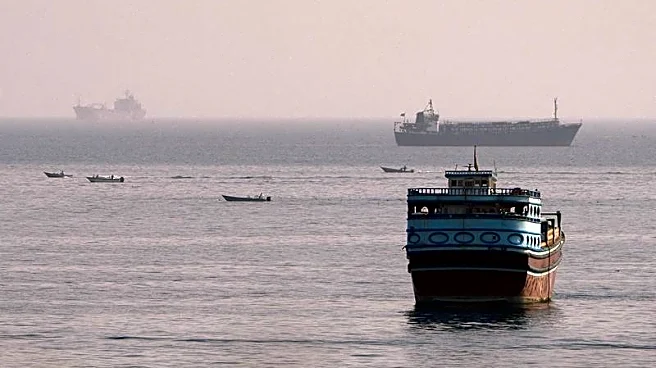
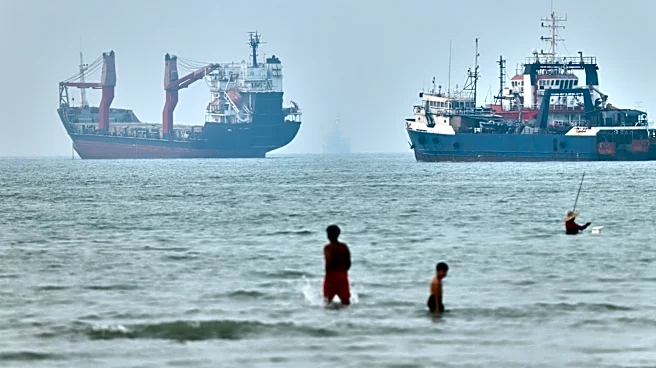
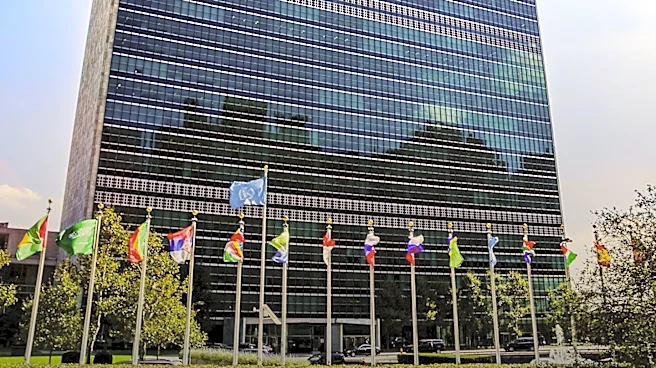
The International Chamber of Commerce (ICC) has developed a UN-backed plan to reopen the Strait of Hormuz, a critical maritime passage currently embroiled in geopolitical tensions. The plan, inspired by the Black Sea Grain Initiative, proposes a neutral
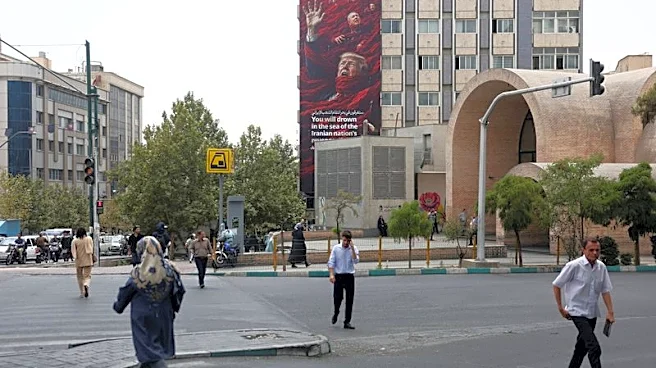
framework for monitoring and verifying vessel movements, focusing initially on fertilizers and related materials. The mechanism involves a Joint Coordination Center in Oman, tasked with ensuring secure shipping corridors and overseeing vessel inspections. This initiative aims to provide a temporary solution to facilitate trade while broader diplomatic efforts continue. The plan's success hinges on the cooperation of regional stakeholders, including Iran, which has yet to formally agree to the proposal.
Why It's Important?
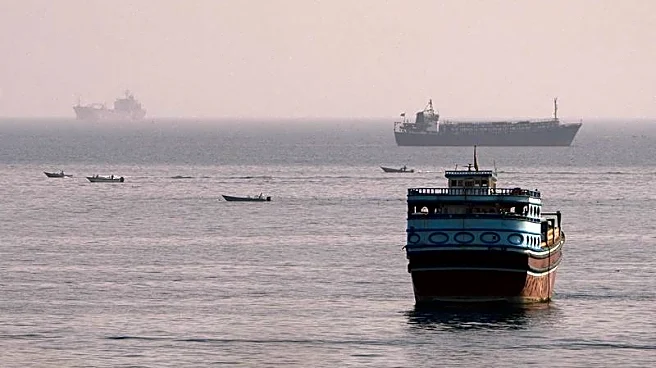
The Strait of Hormuz is a vital chokepoint for global trade, particularly for oil and gas exports. Its closure or restricted access can have significant economic repercussions, affecting global energy prices and supply chains. The proposed mechanism seeks to stabilize the region by ensuring the free flow of goods, thereby mitigating economic disruptions. Successful implementation could also serve as a model for resolving similar conflicts in other strategic locations. However, the plan's effectiveness depends on the willingness of involved parties to cooperate, highlighting the complex interplay of regional politics and international trade interests.
What's Next?
The ICC's plan is ready for deployment, pending agreement from key stakeholders, including Iran and the United States. Diplomatic efforts will likely intensify to secure buy-in from these parties, as well as from other regional actors. The plan's implementation could pave the way for more permanent solutions, potentially involving broader international agreements. Meanwhile, the economic impact of the strait's partial closure continues to be felt, with rising concerns over food security and energy prices. The situation remains fluid, with potential for both diplomatic breakthroughs and further escalation.