





What's Happening?
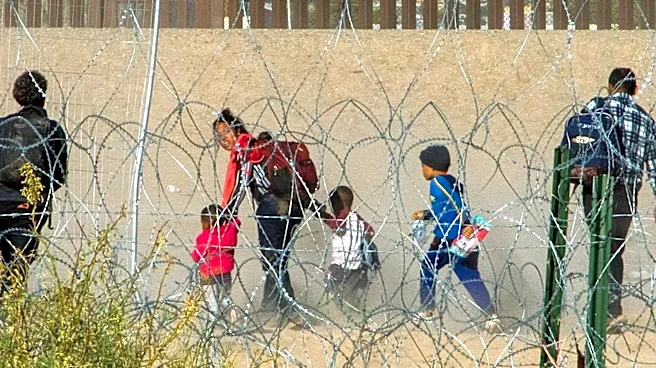
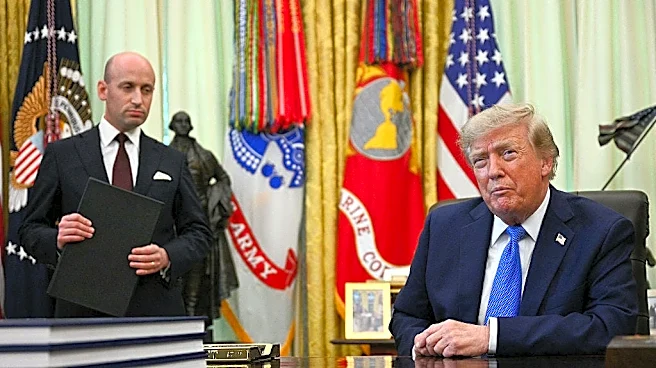
Under President Trump's second administration, the U.S. is witnessing a large-scale deportation campaign reminiscent of past policies. The current administration's efforts have resulted in the separation of over 100,000 children from their parents, a significant
increase from the 5,500 separations during Trump's first term. This approach draws parallels to former President Dwight D. Eisenhower's 1954 Operation Wetback, which used aggressive tactics to deport Mexican immigrants. The campaign has sparked controversy and criticism, with historical comparisons highlighting the recurring nature of such policies in U.S. history.
Why It's Important?
The mass deportation campaign under President Trump has significant implications for U.S. immigration policy and its humanitarian impact. The separation of families and the aggressive enforcement tactics raise ethical and legal concerns, drawing criticism from human rights organizations and civil society. The historical parallels to Eisenhower's policies underscore the cyclical nature of immigration enforcement in the U.S., prompting debates about the country's approach to immigration and the treatment of undocumented individuals. The campaign's impact on communities and its potential to shape future immigration policies make it a critical issue for policymakers and advocates.