





What's Happening?
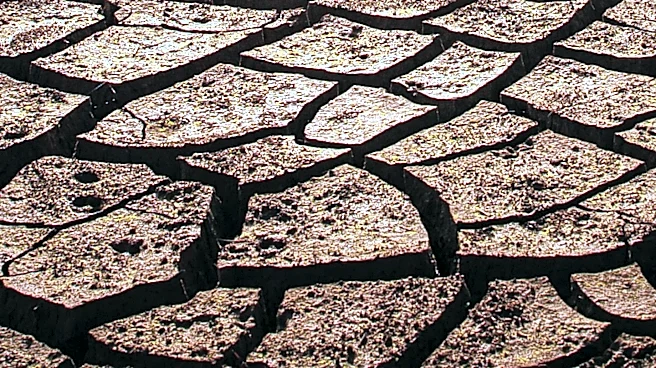
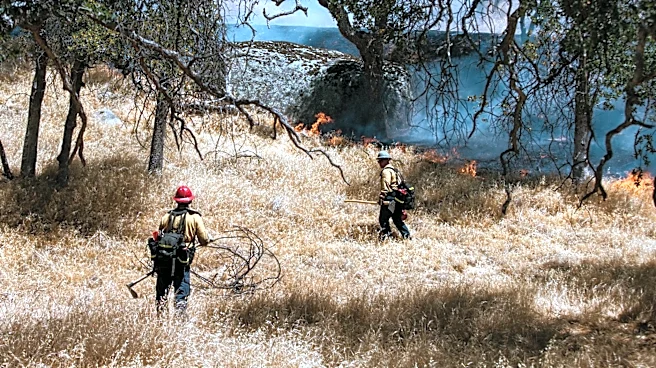
Zimbabwe is facing a severe and underreported humanitarian crisis, primarily driven by a devastating El Niño-induced drought that struck southern Africa in 2024. The World Food Programme (WFP) and the United Nations Office for the Coordination of Humanitarian
Affairs (OCHA) have issued warnings that millions of Zimbabweans will require humanitarian assistance to survive until future harvests. The drought has led to the destruction of over half of Zimbabwe’s harvest due to prolonged dry spells, below-average rainfall, and extreme temperatures. The Government of Zimbabwe declared a national state of disaster in April 2024, estimating that over seven million people would face severe food insecurity. Currently, approximately 7.6 million people, nearly half the country’s population, are at risk of acute hunger. Children are particularly vulnerable, with UNICEF reporting a significant increase in child wasting (low weight for height) in 2024, affecting an estimated 3.5 million children. The crisis is compounded by public health challenges, including a prolonged cholera outbreak in 2024, and longstanding economic vulnerabilities.
Why It's Important?
This crisis in Zimbabwe highlights the severe impact of climate change and environmental factors on food security and public health, particularly in vulnerable nations. The lack of global attention to this humanitarian emergency, despite its scale, underscores a critical challenge in international aid and media coverage. For the U.S., this situation has implications for foreign policy, humanitarian aid allocations, and global development strategies. The U.S. often plays a significant role in funding and supporting international relief efforts, and an underreported crisis like Zimbabwe's may not receive the necessary attention or resources. The long-term effects of such droughts can lead to increased migration, regional instability, and a greater need for sustained international intervention. Furthermore, the rise in child malnutrition and the resurgence of diseases like cholera demonstrate the interconnectedness of climate, health, and economic stability, which can inform U.S. development programs aimed at building resilience in developing countries.
What's Next?
The WFP and OCHA warn that millions will continue to require humanitarian assistance until future harvests can restore food supplies. Despite appeals from the United Nations and its partners, funding levels remain significantly short of requirements, hindering the response. The immediate next steps involve increasing international solidarity and funding to address the urgent needs of the affected population. Humanitarian agencies are emphasizing that needs will remain high for several years, necessitating sustained support. Efforts will continue to focus on providing food assistance, nutrition programs for children, safe water provision, and emergency cash assistance. Additionally, there is a call for strengthening human rights protections and fully implementing international obligations within Zimbabwe. The long-term outlook requires addressing the root causes of vulnerability, including climate change adaptation, improving public services, and fostering economic stability to prevent future humanitarian emergencies of this scale.
Beyond the Headlines
The 'forgotten crisis' in Zimbabwe reveals a deeper issue within the global humanitarian response system: the selective nature of international attention and resource allocation. While conflicts often dominate headlines, slow-onset disasters like droughts, exacerbated by climate change, can cause immense suffering with less visibility. This raises ethical questions about global responsibility and equitable aid distribution. The crisis also exposes the fragility of public services and economic structures in countries already grappling with historical vulnerabilities, making them disproportionately susceptible to environmental shocks. The long-term implications extend beyond immediate relief, pointing to the need for comprehensive strategies that integrate climate resilience, sustainable development, and robust governance. Without a fundamental shift in how the international community perceives and responds to such crises, many vulnerable populations will continue to suffer in silence, perpetuating cycles of poverty and instability.