


What's Happening?
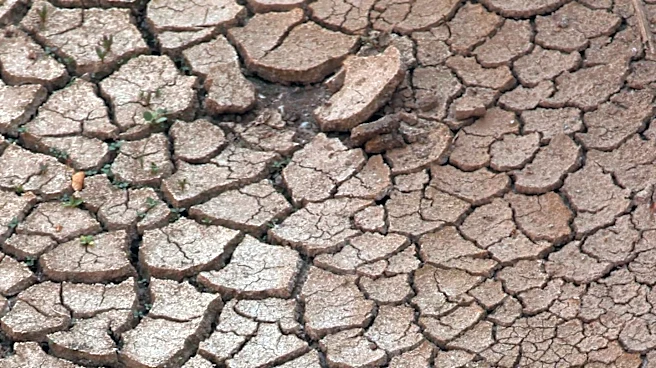
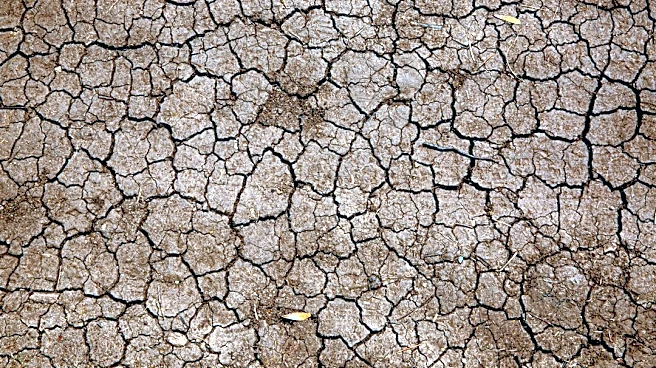
Drought conditions have expanded across central and eastern New Hampshire, with the North Country and southwestern regions experiencing abnormally dry conditions, according to the U.S. Drought Monitor as of September 8. This marks over a year since the entire
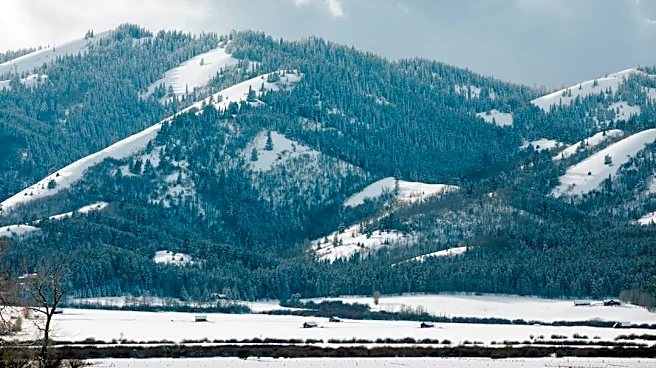
state was drought-free. Despite some spring and summer rainfall, the drought has returned to a significant portion of the state, and in some southeastern areas, it never fully abated. State Climatologist Mary Stampone notes that while last winter's snowfall totals were near historical averages, the snow contained less water, reducing its effectiveness in mitigating drought. This pattern of increasingly extreme fluctuations in conditions, with both rain and dry weather becoming more concentrated, is characteristic of how scientists believe climate change is manifesting in New Hampshire, allowing droughts to take hold quickly and intensify.
Why It's Important?
The persistent and expanding drought in New Hampshire has significant implications for residents and the state's economy. A large portion of the population relies on wells for drinking water, and dry wells have been reported by approximately 250 people to the New Hampshire Department of Environmental Services over the last year. This necessitates the reopening of programs like the Emergency Drought Assistance Program, which has already approved 60 projects and is expected to exhaust its $1.8 million allocation. Farmers are also under strain due to reduced water availability, impacting crop yields and livestock. The imposition of outdoor water use restrictions by 88 public water systems and two municipalities further highlights the severity of the situation, affecting daily life and local businesses. The rapid onset and intensification of droughts, linked to climate change, pose a long-term threat to the state's water security and agricultural stability.
What's Next?
The immediate future for New Hampshire's drought conditions remains uncertain, with hard-hit areas facing a precipitation deficit of about 10 inches that needs to be addressed before frost sets in. The impact of the upcoming winter's snowfall will be crucial in determining the extent of relief in the spring. The New Hampshire Department of Environmental Services' Emergency Drought Assistance Program is currently out of funds for new applications, indicating a potential gap in support for affected residents. Stakeholders are on heightened alert, recognizing that a couple more months of dry conditions could lead to a much worse drought. Continued monitoring of precipitation, streamflow, and groundwater levels will be essential for managing the situation and informing any further water restrictions or assistance programs.
Beyond the Headlines
The recurring and intensifying drought in New Hampshire, despite seemingly normal snowfall totals, points to a deeper issue of altered hydrological cycles influenced by climate change. The concept of 'dry snow' with lower snow water equivalent (SWE) highlights that traditional metrics of snowfall may no longer accurately predict water availability. This necessitates a re-evaluation of water management strategies and infrastructure to cope with more variable and extreme weather patterns. The strain on well-dependent communities and agriculture also raises questions about long-term resilience and adaptation, potentially driving investments in water infrastructure improvements, water conservation technologies, and climate-resilient farming practices. The situation underscores the need for public awareness and behavioral changes regarding water usage, even in a region historically perceived as water-rich.