






What's Happening?
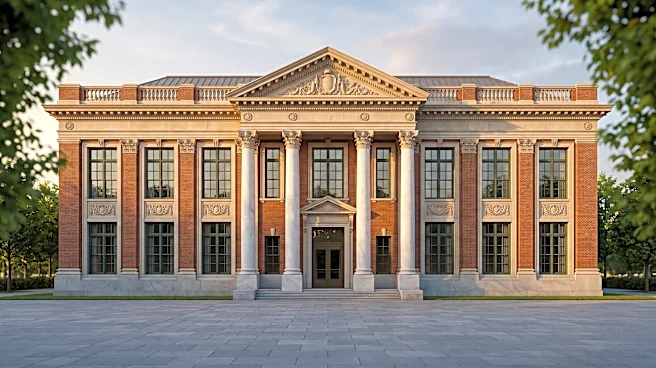
Francis W. Parker School, a private institution in Chicago, is facing community scrutiny over its proposed expansion plans. The school intends to welcome 125 additional students, increase financial assistance, and improve facilities. However, its original
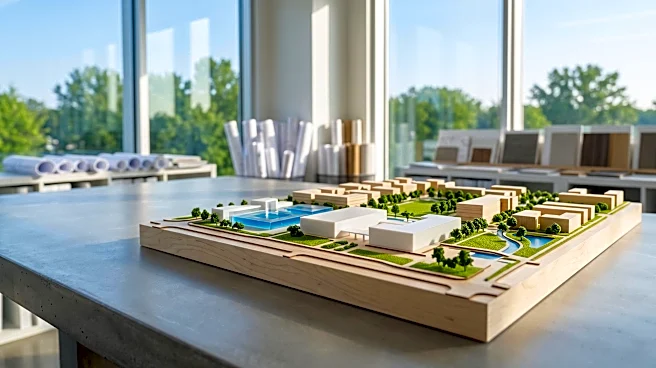
proposal involves extending its presence onto a dense residential street and demolishing 15 units of family housing. Karl Peet, a parent and community member, argues in an opinion piece for the Chicago Tribune that this plan may not be the most effective or inclusive solution. An alternative proposal, developed by the community, suggests optimizing the school's existing 6-acre campus and assets. This alternative plan claims it can achieve Parker's objectives while offering significant net savings, more tangible campus improvements (like a protected student drop-off, covered parking, geothermal wells, and a potential aquatic center), and fostering greater community unity.
Why It's Important?
This situation highlights a common tension between institutional expansion and community impact, particularly in dense urban environments. For Francis W. Parker School, the decision carries significant implications for its mission, financial stewardship, and relationship with its surrounding neighborhood. Demolishing residential units for expansion can lead to displacement and alter the character of a community, potentially creating friction. The alternative proposal, if viable, offers a path for the school to achieve its growth objectives while demonstrating fiscal responsibility and community sensitivity. The debate also touches on the school's progressive educational principles, challenging it to apply critical thinking and empathy in its institutional decisions. The outcome will set a precedent for how the school balances its internal growth ambitions with its external community responsibilities, affecting its reputation and long-term sustainability.
What's Next?
The Francis W. Parker School's board of trustees and administration are urged to undertake a fair and transparent evaluation of both the original and the community-developed alternative planning options. This evaluation should consider educational benefits, financial aid capacity, faculty needs, traffic circulation, and environmental performance. The Chicago Plan Commission will also play a crucial role in reviewing the school's request for rezoning in a dense residential neighborhood. Community members are actively expressing support for the alternative plan, indicating that the school's decision will be closely watched. The school's response to this community input and its willingness to consider new modes of inquiry will be critical in determining its future direction and its relationship with the broader Chicago community.
Beyond the Headlines
This local dispute at Francis W. Parker School reflects broader ethical and urban planning challenges faced by institutions seeking to expand in established neighborhoods. It raises questions about the social responsibility of private institutions, particularly those espousing progressive values, to their immediate communities. The conflict underscores the importance of inclusive planning processes that genuinely consider stakeholder input and explore creative solutions that minimize negative impacts. The debate also touches on the value of existing housing stock in urban areas and the potential for institutions to grow sustainably within their current footprints rather than through outward expansion. The school's ultimate decision will not only shape its physical campus but also define its commitment to its stated principles and its role as a responsible neighbor in the diverse fabric of Chicago.